

The Proprioceptive Paradigm: Motor Skills Training in Orthopedic Sports Medicine
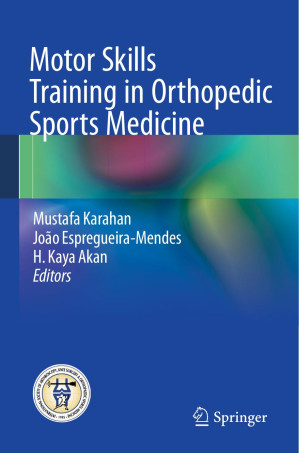
In sports medicine, repairing a torn ACL is only the first step. If the athlete returns to the field with the exact same biomechanical deficits that caused the injury—poor landing mechanics, valgus knee collapse, or delayed muscle firing—they will simply tear the new graft. Motor Skills Training in Orthopedic Sports Medicine is a fiercely analytical, neurophysiologically grounded manual detailing how to permanently rewire the athlete’s movement patterns. This volume provides the exact blueprints required to transition an athlete from postoperative healing to elite, injury-resistant performance.
Mastering Neuromuscular Re-education
The core philosophy of this text is that the brain controls the joint, not just the muscle. The authors aggressively detail the science of proprioception and kinesthesia. It dictates exactly how to utilize plyometric training, perturbation therapy, and dynamic stabilization drills to force the central nervous system to automatically recruit the hamstrings and gluteals before the ACL is ever loaded during a jump landing.
Navigating Return to Play (RTP) Criteria
The book provides a masterclass in objective assessment. It dictates the exact clinical pathways for determining when an athlete is truly ready to return to contact sports. It rigorously details the specific functional tests—like the Single Leg Hop for Distance, the Drop Jump test, and the Star Excursion Balance Test—providing the exact quantitative thresholds required to clear a patient and minimize the risk of devastating re-injury.
Frequently Asked Questions (FAQs)
Is this a book about how to do the surgery?
No, it focuses entirely on the *rehabilitation* and *prevention* phases—what happens before the injury and after the surgery is healed.
Who is the primary audience?
It is the absolute, mandatory clinical guide for Sports Physical Therapists, Athletic Trainers, Strength and Conditioning Coaches, and Sports Medicine Physicians.