The Pathologist in Your Pocket: Oxford Handbook of Clinical Pathology
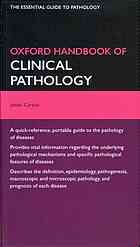
While massive, multi-volume encyclopedias are essential for the pathology laboratory, they are useless to a junior doctor needing rapid guidance on the hospital ward. When you need to know exactly which blood tube to use for a rare test, how to interpret a complex coagulation panel, or the immediate clinical implications of a frozen section result, you need immediate, high-yield data. Oxford Handbook of Clinical Pathology is the definitive, fiercely practical, pocket-sized survival guide for the clinical interface of pathology. This volume provides the exact blueprints required by frontline clinicians to intelligently utilize laboratory services and interpret the results.
Mastering Laboratory Utilization
The core philosophy of this text is practical application. The authors aggressively detail the specific indications for ordering tests across all major pathology disciplines: Chemical Pathology, Hematology, Immunology, Microbiology, and Cellular Pathology. It dictates exactly how to avoid pre-analytical errors (like drawing blood from an arm receiving an IV infusion), which account for the vast majority of inaccurate laboratory results.
Navigating Critical Values and Urgent Action
The book provides a masterclass in rapid interpretation. It dictates the exact clinical pathways for responding to critical lab values, detailing the immediate medical management of profound hyperkalemia, acute disseminated intravascular coagulation (DIC), or a positive blood culture for *Staphylococcus aureus*. It provides exhaustive, bullet-point summaries of the pathophysiology driving the abnormal lab result.
Frequently Asked Questions (FAQs)
Is this book just for pathologists?
No, it is specifically designed for *clinicians* (the people ordering the tests) to help them understand what happens in the lab and what the lab reports actually mean for patient care.
Who is the primary audience?
It is the absolute, mandatory pocket reference for Junior Doctors, Internal Medicine Residents, Medical Students, and Clinical Laboratory Scientists.