
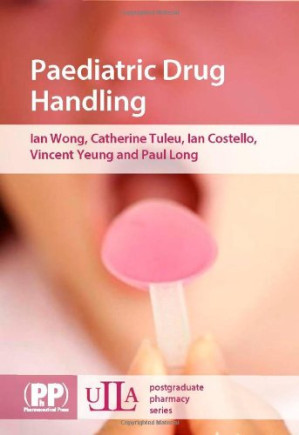

Precision Pharmacology: Paediatric Drug Handling
Administering medication to an infant is not simply a matter of cutting an adult pill in half; doing so can cause catastrophic, fatal overdoses. The pediatric body absorbs, metabolizes, and excretes drugs fundamentally differently than an adult body. Paediatric Drug Handling is the definitive, fiercely rigorous manual dedicated entirely to the safe and effective administration of pharmaceuticals to children. For hospital pharmacists, pediatric nurses, and prescribing physicians, this volume provides the absolute blueprints required to prevent lethal medication errors.
The Unique Pharmacokinetics of the Growing Child
The core philosophy of this text is that children are biologically distinct pharmacological entities. The authors aggressively deconstruct pediatric pharmacokinetics. They detail exactly how a neonate’s immature liver enzymes (like the Cytochrome P450 system) and altered kidney function drastically change drug clearance rates, ensuring the provider understands why standard dosing intervals will cause toxic drug accumulation in an infant.
Weight-Based and Surface-Area Dosing Protocols
The book provides a masterclass in precise mathematical dosing. It details the exact, rigid formulas required to calculate safe pediatric doses based on precise body weight (mg/kg) and Body Surface Area (BSA). Readers will learn the critical step-by-step algorithms required to dose highly toxic medications (like pediatric chemotherapy or powerful immunosuppressants) with zero margin for mathematical error.
Overcoming Formulation and Administration Barriers
This is a fiercely practical guide to the physical realities of pediatric nursing. Children cannot swallow massive capsules, and they will refuse bitter liquids. The authors provide the absolute, approved protocols for extemporaneous compounding—detailing exactly how a pharmacist must crush, dilute, and suspend an adult pill into a safe pediatric liquid without destroying the drug’s stability or efficacy.
Managing Adverse Drug Reactions in Children
The final value of this reference is its focus on crisis management. Pediatric adverse drug reactions are notoriously difficult to spot because an infant cannot complain of nausea or dizziness. The text details the exact, subtle clinical signs of drug toxicity in non-verbal infants and provides the immediate, life-saving protocols required to reverse catastrophic overdoses.
Frequently Asked Questions (FAQs)
Is this a standard drug formulary?
No. While it discusses specific drugs, it focuses entirely on the handling—the calculation, the compounding, the administration, and the unique pediatric metabolism of the drugs, rather than just listing side effects.
Does it cover neonatal medication?
Yes, it includes massive sections dedicated to the extreme pharmacological challenges of dosing premature neonates in the NICU.
Who is the primary audience?
It is the absolute, mandatory reference for Hospital Pharmacists, Pediatric ICU (PICU) Nurses, Neonatal ICU (NICU) Nurses, and Pediatricians.
Conclusion
Paediatric Drug Handling proves that safe pediatric pharmacology requires rigid mathematics and an exhaustive understanding of infant biology. It is an indispensable tool for the hospital pharmacy and the pediatric ward. By mastering the complex weight-based calculations, the compounding protocols, and the unique pharmacokinetic principles detailed in this volume, medical professionals construct an ironclad defense against fatal medication errors.


