
Decoding Respiratory Mechanics: Paediatric Pulmonary Function Testing
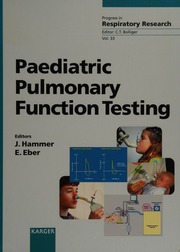
The accurate assessment of lung function in children is fraught with profound technical challenges, primarily due to issues of cooperation, developmental anatomy, and the unique mechanics of the growing lung. Paediatric Pulmonary Function Testing is the definitive, fiercely specialized manual dedicated exclusively to the physiological measurement of the pediatric airway. This volume provides the exact, technical blueprints required to execute, interpret, and clinically apply complex pulmonary diagnostic data in children of all ages.
Mastering Spirometry, Plethysmography, and Gas Exchange Diagnostics
The core philosophy of this text is uncompromising technical standardization. The authors aggressively deconstruct the physics and physiology behind every major pulmonary function test. They detail exactly how to execute high-quality spirometry, perform complex body plethysmography to determine absolute lung volumes, and accurately measure the diffusing capacity of the lungs for carbon monoxide (DLCO), ensuring the data generated is valid, reproducible, and clinically actionable.
Navigating the Unique Challenges of Testing Infants and Young Children
The book provides a masterclass in specialized pediatric techniques. It dictates the exact, rigid protocols for testing uncooperative infants and toddlers, an area where standard spirometry fails. It provides exhaustive details on advanced techniques such as the rapid thoracic compression (RTC) technique, impulse oscillometry (IOS), and multiple-breath washout (MBW) tests, specifically designed to assess airway resistance and ventilation inhomogeneity in the youngest patients.
Managing the Interpretation of Complex Physiologic Data in Chronic Lung Disease
This is a fiercely practical guide to data interpretation. The authors provide exhaustive algorithms for differentiating between obstructive, restrictive, and mixed ventilatory defects in children. The text dictates exactly how to interpret complex flow-volume loops, identifying subtle upper airway obstructions, and outlines the precise criteria for evaluating the reversibility of airway obstruction following bronchodilator administration.
Integrating PFT Results with Clinical Decision Making in Asthma and CF
The final value of this reference is its absolute integration of diagnostic data into clinical management. The text provides the exact frameworks for using PFTs to monitor the progression of Cystic Fibrosis (CF), titrate complex asthma pharmacotherapy, and evaluate the long-term respiratory sequelae of extreme prematurity and Bronchopulmonary Dysplasia (BPD). It dictates how physiological data directly drives therapeutic intervention.
Frequently Asked Questions (FAQs)
Does this book cover reference equations and normal values for children?
Yes, it exhaustively details the utilization of modern, multi-ethnic reference equations (such as GLI) to accurately determine the lower limits of normal for pediatric patients.
Is this text useful for respiratory therapists?
Absolutely. It is the definitive technical manual, providing the exact quality control protocols and troubleshooting strategies required by the technologists performing the tests.
Who is the primary audience?
It is the absolute, undisputed, mandatory clinical manual for Pediatric Pulmonologists, Respiratory Therapists, Pulmonary Function Technologists, and Pediatric Intensivists.
Conclusion
Paediatric Pulmonary Function Testing proves that managing pediatric respiratory disease requires an uncompromising command of complex physiological measurement and precise technical execution. It is the indispensable bedrock of the pediatric pulmonary laboratory. By mastering the testing modalities, the interpretive algorithms, and the clinical correlations detailed in this highly specialized volume, clinicians ensure they base their therapeutic decisions on the absolute highest quality physiological data.