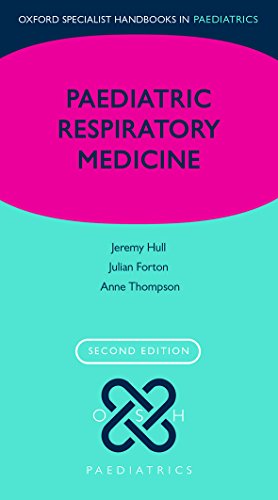

Mastering the Pediatric Airway: Paediatric Respiratory Medicine (Oxford Specialist Handbooks)
Respiratory distress is the most common reason a child is rushed to the emergency department, and respiratory failure is the leading cause of pediatric cardiac arrest. Managing the fragile pediatric airway requires immense precision and specialized knowledge. Paediatric Respiratory Medicine (Oxford Specialist Handbooks in Paediatrics) – 2nd Edition is the definitive, fiercely practical clinical manual dedicated entirely to pediatric pulmonology. This highly condensed volume provides the uncompromising blueprints required to diagnose and aggressively manage everything from acute asthma exacerbations to devastating chronic lung diseases.
Comprehensive Management of Pediatric Pulmonology
The core philosophy of this text is absolute clinical utility. The authors aggressively deconstruct the massive field of respiratory medicine into instantly actionable protocols. They provide the exact criteria for differentiating a benign upper respiratory infection from a catastrophic lower airway obstruction, ensuring that clinicians can rapidly triage and intervene before the child’s physiological reserves are exhausted.
Navigating Acute Asthma, Bronchiolitis, and Pneumonia
The book provides a masterclass in managing acute respiratory crises. It dictates the exact, evidence-based algorithms for treating severe, life-threatening status asthmaticus. It details precisely how to manage the massive influx of infants with severe bronchiolitis during RSV season, dictating the strict criteria for implementing high-flow nasal cannula (HFNC) or escalating to non-invasive ventilation (CPAP/BiPAP).
Managing Complex Chronic Lung Disease and Cystic Fibrosis
This is a fiercely practical guide to pediatric subspecialty care. The authors provide exhaustive details on managing chronic, devastating pathologies. The text dictates the exact multidisciplinary management plans required for children with Cystic Fibrosis, detailing aggressive airway clearance regimens and targeted antibiotic therapies. It also outlines the precise protocols for managing bronchopulmonary dysplasia (BPD) in premature infants.
Interpreting Pediatric Lung Function Tests and Chest Imaging
The final value of this reference is its absolute focus on diagnostic mastery. The text provides the exact frameworks for interpreting complex pulmonary data. It dictates exactly how to analyze pediatric spirometry and plethysmography to differentiate obstructive versus restrictive patterns. It also details the precise radiological markers required to interpret complex pediatric chest X-rays and high-resolution CT (HRCT) scans.
Frequently Asked Questions (FAQs)
Does this book cover sleep-disordered breathing and congenital airway anomalies?
Yes, it features massive, critical sections on managing severe pediatric obstructive sleep apnea (OSA) and dictates the surgical and medical approaches to complex congenital lesions like tracheomalacia or congenital diaphragmatic hernia.
Is the formatting designed for rapid access on the ward?
Absolutely. As part of the Oxford Specialist Handbooks series, it is structured entirely in a bulleted, highly dense format, utilizing extensive algorithms to allow clinicians to extract critical management protocols in seconds.
Who is the primary audience?
It is the absolute, undisputed, mandatory pocket manual for Pediatric Respiratory Trainees, General Pediatricians, PICU Intensivists, and Specialized Respiratory Nurses.
Conclusion
Paediatric Respiratory Medicine proves that saving a child in respiratory distress requires specialized algorithms and an absolute command of pulmonary physiology. It is the indispensable bedrock of pediatric respiratory care. By mastering the acute resuscitation protocols, the chronic disease management plans, and the diagnostic interpretations detailed in this volume, clinicians ensure they are delivering the highest standard of care to every breathless child.