
Restoring Vision: Pediatric Cataract Surgery
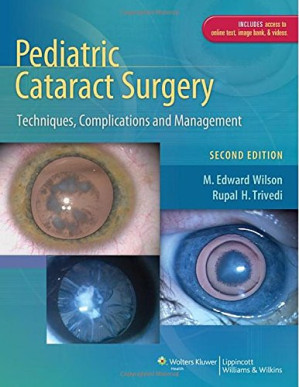
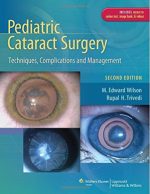
A cataract in a child is a profound developmental emergency. Unlike an adult, whose visual system is fully formed, a child’s brain requires clear visual input to develop properly. If a congenital or early-onset cataract is not treated rapidly and flawlessly, the resulting sensory deprivation leads to irreversible amblyopia (lazy eye), resulting in lifelong blindness even if the lens is eventually cleared. Pediatric Cataract Surgery: Techniques, Complications and Management (2nd Edition) is the definitive, fiercely specialized surgical manual dedicated to preventing this tragedy. This volume provides the exact, high-stakes surgical protocols required by ophthalmologists to restore clear vision to the developing eye.
Mastering the Nuances of the Pediatric Eye
The core philosophy of this text is that the pediatric eye is not a miniature adult eye; it is highly reactive and biomechanically distinct. The authors aggressively detail these differences. They dictate exactly how the high elasticity of the pediatric anterior capsule and the intense inflammatory response of the pediatric uvea necessitate radically different surgical approaches compared to routine adult cataract extraction.
Navigating Surgical Techniques and Intraocular Lens (IOL) Implantation
The book provides a masterclass in microsurgical precision. It dictates the exact techniques for performing an anterior capsulotomy (often utilizing a vitrector rather than forceps due to tissue elasticity) and managing the posterior capsule to prevent the inevitable visual axis opacification (VAO) that plagues pediatric cases. It provides exhaustive, data-driven algorithms for deciding when and how to implant an intraocular lens (IOL) in infants versus older children, dictating the complex calculations required to anticipate future eye growth.
Managing Postoperative Complications and Amblyopia
This is a fiercely practical guide to long-term success. The authors provide rigid protocols for managing the intense postoperative inflammation that characterizes pediatric surgery. The text dictates exactly how to anticipate and treat complications like secondary glaucoma, and, crucially, how to enforce rigorous amblyopia therapy (patching) postoperatively, recognizing that the surgery is only the first step in visual rehabilitation.
Integrating Long-Term Visual Rehabilitation
The final value of this reference is its commitment to the patient’s visual future. The text dictates that the surgeon’s job is not done when the cataract is removed. It ensures that the ophthalmologist understands the critical importance of coordinating with pediatric optometrists and orthoptists to provide appropriate aphakic glasses or contact lenses, ensuring the brain receives the sharpest possible image during the critical period of visual development.
Frequently Asked Questions (FAQs)
Does this textbook cover cataracts associated with systemic diseases?
Yes, it features critical sections on evaluating and managing cataracts caused by metabolic disorders (e.g., galactosemia), intrauterine infections (e.g., rubella), and genetic syndromes, dictating the necessary multidisciplinary workup.
Are there specific guidelines for bilateral versus unilateral cataracts?
Absolutely. It provides explicit, nuanced algorithms detailing how the timing of surgery and the aggressiveness of amblyopia therapy differ profoundly between a child with bilateral cataracts versus a child with a unilateral cataract.
Who is the primary audience?
It is the absolute, mandatory masterwork for Pediatric Ophthalmologists, General Ophthalmologists who treat children, and Ophthalmology Residents.
Conclusion
Pediatric Cataract Surgery (2nd Edition) proves that saving a child’s sight requires unparalleled surgical skill and an uncompromising commitment to long-term rehabilitation. It is the indispensable bedrock of pediatric anterior segment surgery. By mastering the specialized surgical techniques, the IOL calculation algorithms, and the amblyopia management protocols detailed in this vital volume, surgeons can rescue a child from a lifetime of darkness.