Targeted Therapies: Pediatric Lymphomas
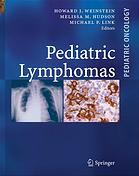
Lymphomas rank among the most common malignancies in childhood and adolescence, yet their behavior and response to treatment differ drastically from their adult counterparts. While cure rates are exceptionally high, achieving these outcomes without inflicting devastating long-term toxicity requires a fiercely precise, risk-adapted approach. Pediatric Lymphomas is the definitive, highly specialized clinical manual designed for this exact purpose. This volume provides the rigorous, evidence-based protocols required by oncologists to navigate the complex landscape of Hodgkin and non-Hodgkin lymphomas in the developing patient.
Mastering the Biology of Hodgkin and Non-Hodgkin Lymphomas
The core philosophy of this text is that biology dictates therapy. The authors aggressively detail the distinct histological subtypes—from classical Hodgkin lymphoma to highly aggressive Burkitt and lymphoblastic lymphomas. They dictate exactly how modern molecular profiling and cytogenetics (such as MYC translocations) drive risk stratification, ensuring that patients receive therapy precisely matched to the aggressiveness of their specific tumor.
Navigating Chemotherapy Regimens and Risk Stratification
The book provides a masterclass in modern treatment protocols. It dictates the exact chemotherapeutic backbones used in major cooperative group trials (e.g., COG, EuroNet). It provides exhaustive, nuanced guidelines on how to utilize early response assessment via PET scanning to rapidly de-escalate therapy for excellent responders—sparing them unnecessary toxicity—while intensifying treatment for those with refractory disease.
Managing Refractory Disease and Stem Cell Transplantation
This is a fiercely practical guide for when standard therapies fail. The authors provide rigid algorithms for managing relapsed or refractory pediatric lymphomas. The text dictates exactly when to deploy novel immunotherapies (like brentuximab vedotin or CAR T-cell therapy) and outlines the strict indications and preparative regimens for both autologous and allogeneic hematopoietic stem cell transplantation (HSCT).
Integrating Late-Effects Monitoring into Survivorship Care
The final value of this reference is its uncompromising focus on survivorship. The text dictates the late effects associated with specific alkylating agents, anthracyclines, and radiation therapy. It ensures that oncologists establish rigorous, lifelong screening protocols for secondary malignancies, cardiotoxicity, and endocrine dysfunction, protecting the long-term health of the cured patient.
Frequently Asked Questions (FAQs)
Does this textbook cover the role of radiation therapy in pediatric lymphomas?
Yes, it features critical, evolving discussions on the role of radiotherapy, aggressively advocating for the minimization or omission of radiation whenever possible to prevent late effects, while dictating the precise, highly conformal techniques used when it remains essential.
Are there specific guidelines for managing oncologic emergencies related to lymphomas?
Absolutely. It provides explicit protocols for managing superior vena cava (SVC) syndrome and the severe tumor lysis syndrome (TLS) frequently seen at the presentation of massive Burkitt lymphoma.
Who is the primary audience?
It is the absolute, mandatory masterwork for Pediatric Hematologist-Oncologists, Oncology Fellows, and Radiation Oncologists treating children.
Conclusion
Pediatric Lymphomas proves that curing cancer in children is a delicate balance between lethal efficacy against the tumor and profound protection of the child. It is the indispensable bedrock of modern pediatric hemato-oncology. By mastering the risk-adapted protocols, the targeted therapies, and the survivorship guidelines detailed in this vital volume, specialists can maximize cures while minimizing the lifelong cost of the cure.