


Operative Nuance: Pediatric Neurosurgery: Tricks of the Trade
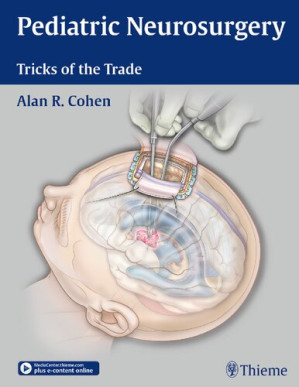
Operating on the brain and spinal cord of a child is an endeavor defined by microscopic margins of error and profound physiological vulnerability. The pediatric nervous system is not merely smaller; it is softer, highly vascularized, and housed within a developing, pliable cranium. Textbooks teach the theory of an operation; true mastery requires learning the subtle, unwritten maneuvers that expert surgeons use to overcome intraoperative crises. Pediatric Neurosurgery: Tricks of the Trade is the definitive, fiercely practical operative atlas designed to impart this specialized wisdom. This volume provides the exact, battle-tested surgical nuances required to execute complex pediatric neurosurgical procedures safely and efficiently.
Mastering Minimally Invasive Techniques in the Pediatric Brain
The core philosophy of this text is maximizing surgical efficacy while minimizing neural trauma. The authors aggressively detail advanced, minimally invasive approaches. They dictate the exact endonasal endoscopic techniques for accessing skull base tumors (like craniopharyngiomas) and the precise neuro-endoscopic maneuvers required for third ventriculostomies or fenestrating complex arachnoid cysts, allowing the surgeon to avoid massive, open craniotomies.
Navigating Shunt Placements, Craniosynostosis, and Tumor Resections
The book provides a masterclass in the bread-and-butter of the specialty, as well as its most complex challenges. It dictates the exact “tricks” for ensuring optimal proximal catheter placement in hydrocephalus shunting to minimize failure rates. It provides exhaustive, highly illustrated guides to the intricate cranial vault remodeling required for complex craniosynostosis, and the microsurgical techniques for resecting delicate posterior fossa tumors (like medulloblastomas) while protecting the brainstem.
Managing Intraoperative Complications and Delicate Tissues
This is a fiercely protective guide to managing the pediatric physiology. The authors provide rigid protocols for anticipating and managing catastrophic intraoperative blood loss in an infant, whose total blood volume is minuscule. The text dictates the specific hemostatic techniques required when handling the friable, highly vascularized tumors common in pediatric neuro-oncology, ensuring the surgeon maintains a bloodless field.
Integrating Surgical Innovation with Proven Core Techniques
The final value of this reference is its synthesis of experience and innovation. The text does not just present standard procedures; it dictates how expert surgeons modify these procedures based on real-world anatomical variations and intraoperative difficulties. It ensures the reader is armed with a repertoire of “Plan B” options when the standard approach fails.
Frequently Asked Questions (FAQs)
Does this atlas cover fetal neurosurgery?
Yes, it features cutting-edge, highly specialized sections on the complex techniques and critical decision-making required for in utero repair of myelomeningocele (spina bifida).
Are there specific guidelines for epilepsy surgery?
Absolutely. It provides explicit operative nuances for performing precise functional hemispherectomies and corpus callosotomies in children with intractable epilepsy, maximizing seizure control while preserving neurological function.
Who is the primary audience?
It is the absolute, mandatory operative companion for Pediatric Neurosurgeons, Neurosurgery Residents, and Fellows.
Conclusion
Pediatric Neurosurgery: Tricks of the Trade proves that surgical excellence is found in the details—the slight shift of a retractor, the specific angle of a bipolar forcep, the subtle adjustment to a patient’s position. It is the indispensable bedrock of operative mastery. By mastering the advanced techniques, the intraoperative problem-solving strategies, and the physiological management detailed in this monumental volume, neurosurgeons can safely navigate the most delicate terrain in medicine.