

Fighting Childhood Cancer: Pediatric Oncology
A diagnosis of childhood cancer is devastating, yet the field of pediatric oncology represents one of the greatest success stories in modern medicine, with overall survival rates now exceeding 80%. This incredible progress is driven by relentless research, aggressive multi-agent chemotherapy, and highly coordinated multidisciplinary care. Pediatric Oncology is the definitive, fiercely clinical textbook detailing this complex landscape. This volume provides the exact, evidence-based protocols required by oncologists to diagnose, treat, and ultimately cure children facing malignant disease.
Mastering the Biology of Pediatric Malignancies
The core philosophy of this text is that treatment must be driven by tumor biology. The authors aggressively detail the molecular genetics and histopathology of childhood cancers, which differ profoundly from adult malignancies. They dictate exactly how specific genetic translocations (e.g., the Philadelphia chromosome in ALL) and molecular markers dictate risk stratification, determining whether a child requires standard therapy or an aggressive, experimental approach.
Navigating Chemotherapy, Radiation, and Surgical Interventions
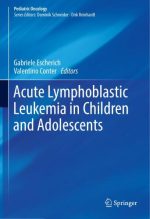
The book provides a masterclass in multimodal treatment protocols. It dictates the exact chemotherapeutic regimens used for the most common pediatric cancers, including Acute Lymphoblastic Leukemia (ALL), brain tumors (e.g., medulloblastoma), and sarcomas (e.g., osteosarcoma). It provides exhaustive guidelines on integrating surgical resection and targeted radiation therapy, balancing the need for complete tumor eradication against the risk of devastating long-term tissue damage.
Managing the Late Effects of Cancer Treatment
This is a fiercely forward-looking guide to survivorship. The authors provide rigid protocols for anticipating and mitigating the “late effects” of aggressive cancer therapy. The text dictates exactly how to monitor survivors for anthracycline-induced cardiotoxicity, radiation-induced secondary malignancies, and the profound neurocognitive deficits associated with cranial irradiation, ensuring care continues long after the cancer is cured.
Integrating Palliative Care and Psychosocial Support
The final value of this reference is its compassionate, holistic approach. The text dictates the vital importance of integrating pediatric palliative care early in the treatment trajectory, rather than only at the end of life. It ensures the oncology team is equipped to manage severe pain, treatment-induced nausea, and the profound psychological trauma experienced by the child and their family throughout the grueling treatment process.
Frequently Asked Questions (FAQs)
Does this textbook cover bone marrow transplantation?
Yes, it features critical, highly detailed sections on hematopoietic stem cell transplantation (HSCT), dictating the exact indications, preparative conditioning regimens, and the management of life-threatening complications like Graft-Versus-Host Disease (GVHD).
Are there specific guidelines for managing oncologic emergencies?
Absolutely. It provides explicit algorithms for rapidly treating tumor lysis syndrome, superior vena cava syndrome, and neutropenic fever, situations where immediate intervention is essential.
Who is the primary audience?
It is the absolute, mandatory clinical guide for Pediatric Oncologists, Hematology/Oncology Fellows, Pediatric Surgeons, and Oncology Nurses.
Conclusion
Pediatric Oncology proves that curing childhood cancer requires an uncompromising, highly coordinated, and scientifically rigorous approach. It is the indispensable bedrock of modern oncologic care. By mastering the biological principles, the complex treatment regimens, and the survivorship protocols detailed in this vital volume, clinicians can continue to push the boundaries of survival and offer hope to families facing the unthinkable.