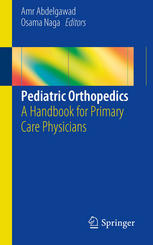
The Frontline Pediatric Guide: Pediatric Orthopedics: A Handbook for Primary Care Physicians
A child’s growing skeleton presents a unique set of diagnostic challenges for the primary care physician. What looks like a normal, flat foot at age two might be a rigid, pathologic deformity at age ten. Pediatric Orthopedics: A Handbook for Primary Care Physicians (2014) is a fiercely pragmatic, highly algorithmic manual designed specifically to empower the frontline doctor to safely triage and manage these complex developmental issues. This volume provides the exact blueprints required to know when to reassure and when to urgently refer.
Mastering Developmental Milestones
The core philosophy of this text is understanding the normal variations of growth. The authors aggressively detail the natural history of torsional deformities. It dictates exactly how to measure the thigh-foot angle to assess tibial torsion, allowing the PCP to confidently reassure panicked parents that their child’s “in-toeing” is entirely physiologic and will spontaneously correct without expensive braces or special shoes.
Navigating the Pediatric Limp
The book provides a masterclass in safe clinical evaluation. It dictates the exact pathways for assessing the acutely limping child. It rigorously details the Kocher criteria, providing the precise clinical and laboratory algorithms to differentiate a benign transient synovitis of the hip from a devastating, joint-destroying septic arthritis that requires emergency surgery.
Frequently Asked Questions (FAQs)
Does this book cover complex pediatric spinal fusion surgeries?
No. Its focus is on *diagnosis* and *primary care management*. It teaches the PCP how to identify the problem and initiate basic care before the specialist takes over.
Who is the primary audience?
It is the absolute, mandatory rapid-reference for Pediatricians, Family Medicine Physicians, Nurse Practitioners (NPs), and Physician Assistants (PAs).