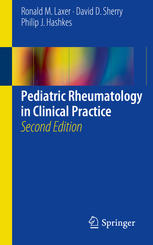


Decoding Autoimmunity: Pediatric Rheumatology in Clinical Practice
Diagnosing a child with a rheumatic disease is notoriously difficult. The symptoms—joint pain, intermittent fevers, and vague rashes—often masquerade as common childhood infections or growing pains, leading to prolonged diagnostic delays and irreversible joint damage. Pediatric Rheumatology in Clinical Practice is the definitive, fiercely specialized textbook designed to equip clinicians to crack these diagnostic codes. This volume provides the exact, rigorous frameworks required to recognize, aggressively treat, and manage complex pediatric autoimmune and autoinflammatory conditions.
Mastering the Diagnosis of Childhood Rheumatic Diseases
The core philosophy of this text is that early diagnosis prevents permanent disability. The authors aggressively detail the specific clinical criteria required to differentiate inflammatory conditions from benign or infectious mimics. They dictate exactly how to interpret a pediatric autoantibody panel, clarifying the true predictive value (and the limitations) of tests like the ANA, Rheumatoid Factor, and HLA-B27 in children.
Navigating Juvenile Idiopathic Arthritis (JIA) and Lupus
The book provides a masterclass in specific disease management. It dictates the exact clinical presentations of all JIA subtypes (oligoarticular, polyarticular, systemic) and provides exhaustive protocols for their management. Furthermore, it details the aggressive, multi-system presentation of Childhood-Onset Systemic Lupus Erythematosus (cSLE), dictating how to monitor for life-threatening complications like lupus nephritis and central nervous system involvement.
Managing Immunosuppressive Therapies and Biologics
This is a fiercely practical guide to high-stakes pharmacology. The authors provide rigid protocols for utilizing disease-modifying antirheumatic drugs (DMARDs) like methotrexate and the expanding arsenal of biologic agents (e.g., TNF inhibitors, IL-1 inhibitors). The text dictates exactly how to screen for latent infections before initiating therapy and how to rigorously monitor for the severe immunosuppressive side effects of these powerful drugs.
Integrating Long-Term Monitoring for Joint and Organ Damage
The final value of this reference is its focus on long-term outcomes. The text dictates the absolute necessity of routine ophthalmologic screening for JIA-associated uveitis, a silent condition that can rapidly cause blindness. It ensures that clinicians understand the chronic nature of these diseases, emphasizing the need for ongoing physical therapy to maintain joint mobility and psychosocial support to help children cope with chronic pain.
Frequently Asked Questions (FAQs)
Does this textbook address pediatric vasculitis?
Yes, it features critical sections on Kawasaki disease, Henoch-Schönlein purpura (IgA vasculitis), and rare conditions like granulomatosis with polyangiitis, dictating their specific diagnostic criteria and treatment algorithms.
Are there specific guidelines for managing Macrophage Activation Syndrome (MAS)?
Absolutely. It provides explicit, emergency protocols for recognizing and treating this potentially fatal, hyperinflammatory complication often seen in systemic JIA.
Who is the primary audience?
It is the absolute, mandatory resource for Pediatric Rheumatologists, General Pediatricians, Rheumatology Fellows, and Physical Therapists.
Conclusion
Pediatric Rheumatology in Clinical Practice proves that conquering autoimmune disease requires both diagnostic vigilance and pharmacological aggression. It is the indispensable bedrock of pediatric rheumatology. By mastering the diagnostic criteria, the biologic treatment protocols, and the complication monitoring strategies detailed in this vital volume, clinicians can halt disease progression and restore the quality of life for children suffering from rheumatic conditions.