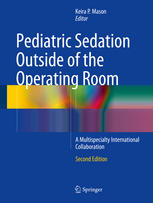


Safe and Effective: Pediatric Sedation Outside of the Operating Room
The demand for pediatric procedural sedation in environments such as the emergency department, the radiology suite, and outpatient clinics has exploded. However, sedating a child is inherently perilous; children are not merely small adults, and their airway dynamics and pharmacological responses require specialized expertise. Pediatric Sedation Outside of the Operating Room is the definitive, fiercely rigorous clinical manual designed to mandate safety in these high-risk scenarios. This volume provides the exact blueprints required by non-anesthesiologist providers to safely administer sedation, monitor the patient, and rapidly manage life-threatening complications.
Mastering Procedural Sedation Guidelines and Protocols
The core philosophy of this text is uncompromising adherence to safety protocols. The authors aggressively detail the current guidelines established by the American Academy of Pediatrics (AAP) and the American Society of Anesthesiologists (ASA). They dictate exactly how to conduct a rigorous pre-sedation assessment, establishing absolute contraindications and identifying children who require full general anesthesia in an operating room setting.
Navigating Pharmacological Options and Airway Management
The book provides a masterclass in pediatric pharmacology and airway control. It dictates the exact dosing, onset times, and side effect profiles of common sedative agents like ketamine, propofol, dexmedetomidine, and midazolam. It provides exhaustive instructions on utilizing bag-valve-mask ventilation, positioning the pediatric airway, and recognizing the early signs of hypoventilation or laryngospasm before they result in hypoxia.
Managing Sedation Complications and Adverse Events
This is a fiercely practical guide to crisis management. The authors provide rigid frameworks for rescuing a child from a deeper level of sedation than intended. The text dictates specific protocols for managing apnea, severe bradycardia, anaphylaxis, and paradoxical emergence reactions, ensuring the provider is prepared to execute life-saving interventions instantaneously.
Integrating Pre-Sedation Assessment and Post-Procedure Monitoring
The final value of this reference is its comprehensive approach to the entire sedation continuum. The text dictates the mandatory monitoring equipment required (e.g., capnography and continuous pulse oximetry) and provides strict criteria for safe discharge. It ensures that the child is fully recovered and that parents are equipped with precise post-sedation care instructions.
Frequently Asked Questions (FAQs)
Does this book address sedation for MRI or CT scans?
Yes, it features critical sections on managing the unique challenges of radiological sedation, including maintaining an airway in an inaccessible location and selecting agents that provide prolonged immobility.
Are there specific guidelines for dental sedation?
Absolutely. It provides explicit protocols for managing pediatric sedation in the dental office, addressing the specific risks associated with a shared airway.
Who is the primary audience?
It is the absolute, mandatory clinical manual for Pediatric Emergency Physicians, Hospitalists, Radiologists, Pediatric Dentists, and Advanced Practice Nurses performing sedation.
Conclusion
Pediatric Sedation Outside of the Operating Room proves that the location of the procedure does not diminish the risk of the sedation. It is the indispensable bedrock of procedural safety. By mastering the pharmacological profiles, the airway rescue techniques, and the strict monitoring protocols detailed in this crucial volume, non-anesthesiologists can provide necessary sedation without compromising pediatric patient safety.