

Medicine at the Edge: Life in Crisis – The Ethical Journey of Doctors Without Borders
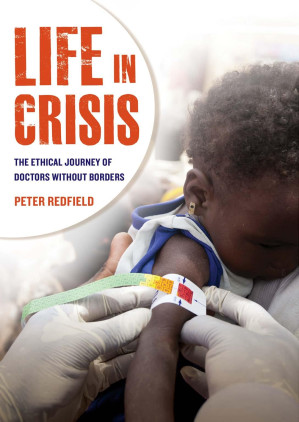
Practicing medicine in a sterile, well-funded hospital is fundamentally different from attempting to save lives in the middle of a catastrophic civil war or a massive refugee camp. The rules change, resources vanish, and the ethical dilemmas become profound and terrifying. Life in Crisis: The Ethical Journey of Doctors Without Borders (Médecins Sans Frontières) by Peter Redfield is a definitive, fiercely analytical exploration of the agonizing moral landscape of global humanitarian medicine. This volume provides an uncompromising deconstruction of what it actually means to practice medicine when the basic structures of civilization have collapsed.
Navigating the Profound Moral Dilemmas of Humanitarian Aid
The core philosophy of this text is that humanitarian medicine is inherently fraught with devastating ethical compromises. The author aggressively deconstructs the concept of “neutrality.” He details exactly how providing medical care in an active conflict zone often forces doctors to make agonizing triage decisions—deciding who receives life-saving antibiotics and who is left to die—while navigating the terrifying reality of armed militias dictating access to patients.
Providing Medical Care in Active Conflict Zones and Disasters
The book provides a masterclass in the grim reality of emergency field medicine. It dictates the exact logistical nightmares of establishing a cholera treatment center in a massive refugee camp or deploying a surgical team in the aftermath of a catastrophic earthquake. It details precisely how MSF protocols are designed for maximum utility in environments with zero infrastructure, focusing on blunt, effective interventions that save the maximum number of lives.
Deconstructing the Philosophy of Médecins Sans Frontières (MSF)
This is a fiercely analytical guide to the architecture of international aid. The author provides exhaustive details on the evolution of MSF’s unique philosophy. The text dictates exactly how MSF pioneered the concept of “témoignage” (bearing witness), fundamentally arguing that providing medical care is not enough; physicians have an absolute moral obligation to speak out against the massive human rights abuses they witness, even if it jeopardizes their access to the crisis zone.
The Intersection of Global Politics, Ethics, and Emergency Medicine
The final value of this reference is its absolute refusal to romanticize humanitarian work. The text provides the exact frameworks required to understand the massive geopolitical forces that create humanitarian crises. It dictates how medical aid is often manipulated as a political tool, forcing organizations like MSF to constantly navigate the devastating tension between their medical mandate and the cynical realities of global politics.
Frequently Asked Questions (FAQs)
Does this book focus solely on the medical procedures used by MSF?
No, while it discusses medical protocols, the primary focus is a deep, critical analysis of the profound bioethical, political, and philosophical challenges inherent in delivering those procedures in catastrophic environments.
Is it a critique or an endorsement of Doctors Without Borders?
It is a highly nuanced, academic exploration. It deeply respects the massive life-saving work of MSF while aggressively interrogating the ethical contradictions and impossible choices forced upon its field workers.
Who is the primary audience?
It is an essential, mandatory text for Bioethicists, Medical Anthropologists, Public Health Professionals, and any Physician considering humanitarian fieldwork.
Conclusion
Life in Crisis proves that practicing medicine at the edge of human suffering requires far more than clinical skill; it requires a profound tolerance for moral ambiguity and ethical compromise. It is an indispensable exploration of humanitarian action. By analyzing the complex dilemmas, the logistical nightmares, and the philosophical frameworks detailed in this volume, readers gain a visceral understanding of the devastating reality of global medical aid.