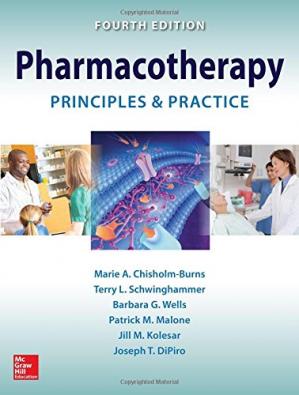
The Definitive Clinical Guide: Pharmacotherapy Principles and Practice
Understanding how a drug works in a test tube is fundamentally different from understanding how to use that drug to keep a complex, critically ill human being alive. Pharmacotherapy Principles and Practice (4th Edition) is the ultimate clinical bridge between the basic science of pharmacology and the high-stakes reality of modern hospital medicine. For pharmacy students, medical residents, and practicing clinical pharmacists, this massive, globally recognized textbook provides the definitive, evidence-based blueprints required to manage the world’s most complex and deadly diseases.
Bridging the Gap Between Pathophysiology and Therapeutics
The true genius of this textbook is its structure. It does not simply list drugs; it teaches the disease first. Before discussing the medications used to treat Congestive Heart Failure, the authors provide a rigorous, graduate-level review of the exact cardiovascular pathophysiology that causes the heart to fail. This ensures that the clinician understands why they are prescribing an ACE inhibitor, rather than simply memorizing it from a list.
Evidence-Based Treatment Algorithms
In the chaos of clinical medicine, you need clear directions. The core of this textbook is built on highly structured, rigorously peer-reviewed treatment algorithms. Whether you are managing acute asthma exacerbation, severe sepsis, or treatment-resistant depression, the book provides a step-by-step flowchart. It explicitly dictates the absolute best first-line therapy, exactly when to escalate to second-line agents, and precisely what clinical signs indicate the treatment is failing.
Identifying and Resolving Drug-Related Problems
A clinical pharmacist’s primary job is not dispensing drugs; it is preventing drugs from harming the patient. The text heavily emphasizes the identification of Drug-Related Problems (DRPs). It trains clinicians to aggressively scrutinize a patient’s medication list, teaching them how to spot lethal drug-drug interactions, inappropriate dosing for renal failure, and devastating prescribing cascades (where a new drug is mistakenly added to treat the side effect of an existing drug).
Comprehensive Disease State Management
This massive volume covers virtually every major organ system and disease state. It provides exhaustive, cutting-edge chapters on Oncology (managing complex chemotherapy regimens), Infectious Disease (navigating antimicrobial resistance and stewardship), and Endocrinology (titrating complex insulin regimens for uncontrolled diabetes). Each chapter incorporates the absolute latest clinical guidelines from global medical authorities (AHA, ADA, IDSA).
Essential Patient Education and Monitoring Parameters
A brilliant prescription is useless if the patient refuses to take it or if the physician forgets to monitor its toxicity. Every disease state includes strict guidelines for clinical monitoring. The text details exactly which lab tests (e.g., AST/ALT, Serum Creatinine, INR) must be ordered, how often they must be drawn, and exactly what the patient must be taught regarding severe side effects before they are discharged from the hospital.
Frequently Asked Questions (FAQs)
Is this the same as the massive “DiPiro” Pharmacotherapy textbook?
This is the “Principles and Practice” version, often referred to as “Baby DiPiro.” It distills the encyclopedic knowledge of the massive main text into highly focused, clinically actionable, and easily digestible chapters designed specifically for students and busy residents.
Does it include pediatric dosing?
Yes, it features specific call-out boxes highlighting the critical pharmacokinetic differences and dosing adjustments required for pediatric and geriatric populations.
Who should read this book?
It is the mandatory, core textbook for Doctor of Pharmacy (PharmD) students globally, and an indispensable desk reference for practicing hospitalists and nurse practitioners.
Conclusion
Pharmacotherapy Principles and Practice is the ultimate blueprint for clinical excellence. It proves that superior patient care requires a flawless integration of disease pathology, clinical evidence, and precise pharmacological action. By adhering to the rigorous treatment algorithms and safety protocols detailed in this volume, healthcare providers can confidently navigate the most complex clinical cases, drastically improving patient outcomes and saving lives.