
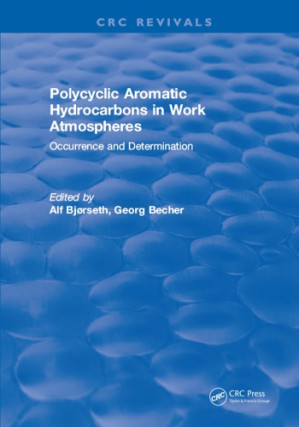


The Environmental Carcinogen: Polycyclic Aromatic Hydrocarbons
When organic matter burns—whether in a cigarette, a diesel engine, or a charbroiled steak—it creates a terrifying class of chemicals called PAHs. These molecules do not just cause cancer; they physically mutate the DNA of the human genome with brutal efficiency. Polycyclic Aromatic Hydrocarbons is a fiercely technical, highly chemical and toxicological manual detailing exactly how these environmental poisons work. This volume provides the precise biochemical blueprints required to track these compounds from the smokestack to the DNA strand.
Mastering the Cytochrome P450 Activation
The core philosophy of this text is the bioactivation trap. The authors aggressively detail the mechanics of metabolic poisoning. It dictates exactly how the human liver attempts to break down these hydrocarbons to excrete them, but in doing so, accidentally converts the relatively stable PAH (like Benzo[a]pyrene) into a violently reactive “diol epoxide”—a chemical shape-shifter that instantly binds to the patient’s DNA and shatters it.
Navigating the DNA Adduct
The book provides a masterclass in molecular mutation. It dictates the exact structural pathways of the carcinogenic lesion. It rigorously explores how the activated PAH molecule physically bonds to a specific guanine base on the DNA double helix, creating a massive physical roadblock that forces the cell to make a critical spelling error the next time it divides, directly triggering lung, skin, and bladder cancers.
Frequently Asked Questions (FAQs)
Does this book provide chemotherapy protocols for treating lung cancer?
Absolutely not. It is a strictly focused *environmental toxicology, biochemistry, and molecular epidemiology textbook* analyzing the cause of the mutation, not the clinical treatment of the resulting tumor.
Who is the primary audience?
It is the absolute, mandatory definitive reference for Toxicologists, Environmental Health Scientists, Molecular Epidemiologists, and Cancer Biologists.


