
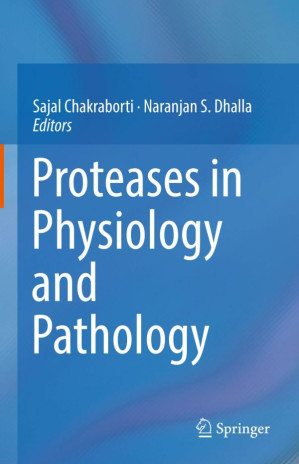


The Enzymes of Life and Death: Proteases in Physiology and Pathology
Proteases are the ultimate molecular regulators. They do not merely digest food; they precisely cleave proteins to activate hormones, initiate the coagulation cascade, and remodel tissue. However, when this delicate proteolytic balance is disrupted, these enzymes become weapons of mass cellular destruction. Proteases in Physiology and Pathology is the definitive, fiercely detailed biochemical reference text exploring the dual nature of these powerful enzymes. This volume provides the exact blueprints required by researchers to understand how proteases maintain homeostasis, and how their dysregulation drives aggressive disease states.
Mastering the Proteolytic Web
The core philosophy of this text is understanding the complex networks (the “degradome”) in which proteases operate. The authors aggressively detail the major protease classes—serine, cysteine, aspartic, and metalloproteases—dictating exactly how their catalytic mechanisms differ. It provides the crucial biophysical framework for understanding how endogenous inhibitors (like serpins) keep these enzymes in check, preventing spontaneous tissue digestion.
Navigating Cancer, Inflammation, and Therapeutics
The book provides a masterclass in pathological enzyme activity. It dictates the exact clinical pathways for understanding how matrix metalloproteinases (MMPs) facilitate tumor angiogenesis and metastasis by aggressively degrading the extracellular matrix. It provides exhaustive reviews of the challenges and triumphs in developing protease inhibitors as drugs, detailing the success of HIV protease inhibitors and the ongoing struggles to safely target MMPs in cancer therapy.
Frequently Asked Questions (FAQs)
Does this book cover neurodegenerative diseases?
Yes, it features critical sections on the specific proteases (like secretases) involved in the processing of amyloid precursor protein, a key pathological mechanism in Alzheimer’s disease.
Who is the primary audience?
It is the absolute, mandatory reference for Biochemists, Cell Biologists, Pharmacologists, and Molecular Pathology Researchers.


