
Ensuring Trial Integrity: Quick Guide to Good Clinical Practice
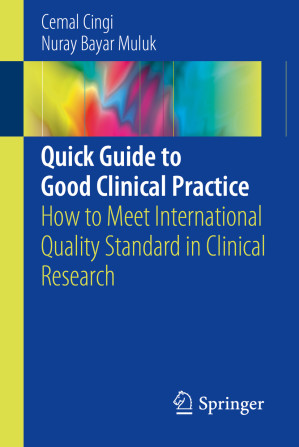
In the realm of clinical research, there is no room for approximation, corner-cutting, or ambiguous data. A single procedural error can completely invalidate a multi-million-dollar clinical trial and, far more importantly, severely endanger the lives of human participants. Quick Guide to Good Clinical Practice: How to Meet International Quality Standard in Clinical Research is the definitive, no-nonsense manual designed to prevent these catastrophic failures. For Clinical Research Coordinators (CRCs), Principal Investigators (PIs), and clinical trial sponsors, this essential handbook translates the dense, legalistic language of international regulations into clear, highly actionable daily protocols.
The Bedrock of Clinical Research
Good Clinical Practice (GCP) is not a suggestion; it is a strict, internationally recognized ethical and scientific quality standard provided by the International Council for Harmonisation (ICH). The opening chapters of this guide break down the core principles of ICH-GCP. It explains that the dual purpose of GCP is uncompromisingly simple: first, to protect the rights, safety, and well-being of human trial subjects; and second, to guarantee that the clinical data collected is credible, accurate, and scientifically sound enough to warrant the approval of a new medical treatment.
Protecting Human Subjects and Informed Consent
The most critical aspect of any clinical trial is the Informed Consent process. This guide moves beyond simply handing a patient a form to sign. It details the rigorous ethical requirements of ensuring a patient truly understands the risks, the experimental nature of the drug, and their absolute right to withdraw from the trial at any time without penalty. It provides specific, practical guidance on documenting this process meticulously to withstand the scrutiny of a regulatory audit.
The Role of the Institutional Review Board (IRB)
No clinical trial can begin without the blessing of an IRB (or Independent Ethics Committee). The book demystifies this often-intimidating process. It outlines exactly what documentation must be submitted (protocols, investigator brochures, recruitment materials) and explains the ongoing reporting requirements. Readers will learn exactly when and how to report Protocol Deviations and Serious Adverse Events (SAEs) to the IRB within strict, legally mandated timeframes.
Investigator Responsibilities and Data Integrity
A trial is only as strong as its data. This handbook provides extensive, highly practical checklists for the Principal Investigator and the site staff. It covers the meticulous requirements for source document verification (SDV), ensuring that every single data point entered into the Case Report Form (CRF) can be traced directly back to the original patient medical record. It also details the strict protocols for drug accountability—tracking the shipping, storage, dispensing, and destruction of the experimental investigational product.
Navigating FDA and EMA Audits
The ultimate test of GCP compliance is an inspection by a regulatory authority like the FDA (US) or EMA (Europe). The final chapters serve as an invaluable audit survival guide. It explains exactly what inspectors look for, common pitfalls that trigger warning letters, and how to organize essential trial documents (the Trial Master File) so that a site is perpetually “audit-ready.”
Frequently Asked Questions (FAQs)
Is this guide updated for the latest ICH-GCP E6(R2) addendum?
Yes, it covers modern updates, including the heavy emphasis on risk-based monitoring and the stringent requirements for validating computerized clinical data systems and electronic health records.
Is this book only for doctors running trials?
Absolutely not. It is actually most vital for Clinical Research Coordinators (CRCs) and Clinical Research Associates (CRAs), who perform the grueling, daily operational work required to keep a trial compliant.
Can I use this to study for clinical research certification exams?
Yes, it serves as an excellent, highly condensed review resource for professionals preparing for ACRP or SOCRA certification examinations.
Conclusion
The Quick Guide to Good Clinical Practice is not just a regulatory manual; it is a shield. It protects patients from harm, protects data from invalidation, and protects investigators from legal ruin. By adhering strictly to the clear, uncompromising standards outlined in this pocket guide, clinical research teams can confidently execute the complex trials required to bring life-saving new therapies to the patients who desperately need them.