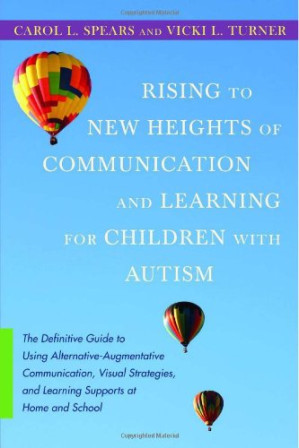


Unlocking Potential: Rising to New Heights of Communication and Learning for Children with Autism
The inability to communicate is the most devastating aspect of severe Autism Spectrum Disorder (ASD). When a child cannot express basic needs, pain, or desires, the inevitable result is catastrophic frustration, self-injury, and severe behavioral dysregulation. Rising to New Heights of Communication and Learning for Children with Autism is the definitive, fiercely clinical manual designed to break this silence. This volume provides the exact blueprints required by speech-language pathologists (SLPs) and educators to build functional, spontaneous communication systems for children across the entire autism spectrum, from the profoundly non-verbal to the highly verbal but socially impaired.
Mastering Evidence-Based Communication Interventions for ASD
The core philosophy of this text is that all behavior is communication, and true language acquisition requires intent, not just rote repetition. The authors aggressively detail the neurological underpinnings of autistic language delays, distinguishing between true aphasia, apraxia of speech, and the social-pragmatic deficits inherent to ASD. They dictate exactly how to conduct a rigorous, dynamic communication assessment that identifies the child’s current communicative functions (protesting, requesting, commenting) regardless of their verbal output.
Navigating Augmentative and Alternative Communication (AAC)
The book provides a masterclass in AAC deployment. It dictates the exact clinical pathways for introducing Picture Exchange Communication Systems (PECS), dynamic display speech-generating devices (SGDs), and core vocabulary boards. It provides exhaustive instructions on abandoning the outdated prerequisite model (the false belief that a child must show certain cognitive skills before receiving a device), dictating early, aggressive AAC intervention to prevent the establishment of maladaptive behaviors.
Managing Echolalia, Non-Verbal Presentations, and Social Pragmatics
This is a fiercely practical guide to complex language profiles. The authors provide rigid frameworks for managing echolalia (scripting or repeating words), detailing exactly how to use gestalt language processing principles to shape these “stuck” scripts into functional, generative language. The text dictates specific protocols for teaching social pragmatics—turn-taking, topic maintenance, and understanding non-literal language (sarcasm/idioms)—to highly verbal individuals who struggle profoundly with the social rules of conversation.
Integrating Behavioral Strategies with Speech-Language Pathology
The final value of this reference is its multidisciplinary integration. The text provides the exact protocols for blending naturalistic developmental behavioral interventions (NDBI) with traditional speech therapy. It emphasizes that communication must be taught in the natural environment, dictating how to train parents and teachers as the primary language facilitators.
Frequently Asked Questions (FAQs)
Does this book address the motor-planning aspects of speech?
Yes, it features critical sections on Childhood Apraxia of Speech (CAS), a frequent comorbidity in autism, dictating specific motor-based interventions like PROMPT therapy.
Are there specific guidelines for using visual supports?
Absolutely. It provides explicit protocols for utilizing visual schedules, social stories, and visual boundaries to increase receptive language comprehension and reduce anxiety.
Who is the primary audience?
It is the absolute, mandatory clinical guide for Speech-Language Pathologists (SLPs), Special Education Teachers, Board Certified Behavior Analysts (BCBAs), and Autism Specialists.
Conclusion
Rising to New Heights of Communication proves that unlocking language in autism requires an uncompromising abandonment of traditional “sit and drill” therapy, the immediate deployment of AAC, and a deep understanding of autistic neurology. It is the indispensable bedrock of modern autism intervention. By mastering the assessment protocols, the AAC strategies, and the pragmatic interventions detailed in this essential volume, clinicians can give a voice to those locked in silence.