
The Chemistry of Savory: Satureja
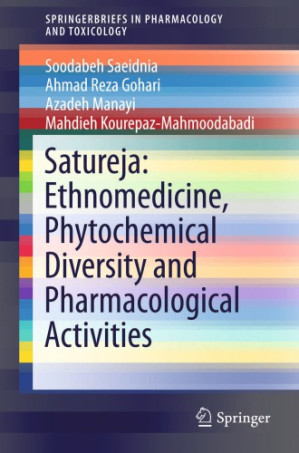
The culinary world knows the genus Satureja simply as “Savory,” a highly aromatic herb used to flavor Mediterranean dishes. However, the world of pharmacognosy views this genus as a massive, naturally occurring biochemical factory. Satureja: Ethnomedicine, Phytochemical Diversity and Pharmacological Activities is the definitive, exhaustively researched scientific monograph detailing the extreme medicinal power hidden within these leaves. For natural product chemists, ethnobotanists, and pharmaceutical researchers, this volume provides the critical, chemically standardized blueprints required to transition this ancient folk remedy into a modern, regulated therapeutic agent.
Unlocking the Medicinal Power of the Lamiaceae Family
The opening chapters of this book establish the biological dominance of the Lamiaceae (mint) family. The authors explain that to survive harsh, arid environments, Satureja species evolved to produce an incredibly aggressive defense mechanism: highly volatile, highly toxic (to microbes) essential oils. The text rigorously details the ethnobotanical history of these plants, documenting exactly how ancient Mediterranean and Middle Eastern cultures utilized these exact chemical defenses to treat severe gastrointestinal infections and massive wound trauma.
Essential Oils and Carvacrol/Thymol Derivatives
The core of the textbook provides a masterclass in advanced phytochemistry. The authors do not just list the oils; they deconstruct them. Readers will explore the highly complex organic chemistry of Carvacrol and Thymol, the primary phenolic compounds driving the plant’s medicinal power. The text provides the exact chemical structures and details how these specific molecules aggressively penetrate the cell membranes of invading bacteria, physically destroying the pathogen from the inside out.
Potent Antimicrobial and Antifungal Mechanisms
This is a fiercely clinical guide to natural antibiotics. The book tackles the escalating global crisis of multi-drug resistant “superbugs.” The authors provide massive arrays of in vitro clinical data, proving that the highly concentrated essential oils of specific Satureja species are capable of neutralizing devastating pathogens like MRSA (Methicillin-resistant Staphylococcus aureus) and aggressive Candida fungal infections, often succeeding where synthetic antibiotics have completely failed.
Antioxidant Properties and Cellular Protection
The book pushes beyond basic infection control and explores cellular aging. The authors detail the profound antioxidant capacity of the plant’s flavonoids and rosmarinic acid derivatives. They provide the exact biochemical pathways detailing how these molecules hunt down and neutralize highly reactive “free radicals” in the human bloodstream, preventing massive cellular damage, DNA mutations, and the onset of chronic inflammatory diseases.
Navigating Chemotypes and Geographical Variation
The final chapters address the greatest challenge in herbal medicine: biological inconsistency. The authors explain the concept of “Chemotypes.” A Satureja plant grown in the mountains of Iran might produce 80% carvacrol, while the exact same species grown in Spain might produce 80% linalool, radically altering its medical effect. The text provides the rigorous analytical methods (Gas Chromatography-Mass Spectrometry) required to standardize these extracts for safe, predictable human clinical trials.
Frequently Asked Questions (FAQs)
Does this book provide instructions for distilling essential oils at home?
No, it is a highly advanced scientific text. Attempting to consume pure, unstandardized essential oils without medical supervision is incredibly dangerous and can cause severe liver toxicity.
Is a background in organic chemistry required?
Yes. The book relies heavily on advanced phytochemical analysis, mass spectrometry data, and complex molecular pharmacology.
Who is the primary audience?
It is the absolute gold-standard reference for Ph.D. pharmacognosists, researchers in the essential oil industry, and pharmaceutical chemists developing novel antimicrobial agents.
Conclusion
Satureja proves that the cure for the antibiotic crisis might already be growing in the wild. It is an indispensable guide to the absolute cutting edge of botanical medicine. By mastering the complex phenolic chemistry, the aggressive antimicrobial mechanisms, and the rigorous standardization protocols detailed in this volume, scientists can successfully transform an ancient culinary herb into a highly potent, life-saving modern medicine.