
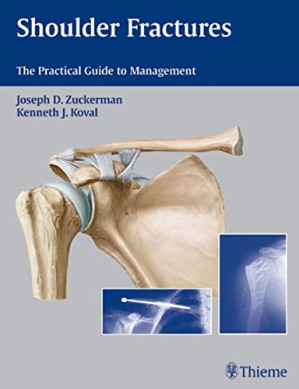
The Proximal Humerus Paradigm: Shoulder Fractures: The Practical Guide to Management
Fractures of the shoulder girdle—specifically the proximal humerus, clavicle, and scapula—are incredibly common, but their management remains fiercely debated. Should a displaced, four-part proximal humerus fracture in a 75-year-old be fixed with a plate and screws (ORIF), replaced with a hemiarthroplasty, or ignored and treated with a sling? Shoulder Fractures: The Practical Guide to Management is a highly pragmatic, deeply analytical trauma manual that cuts through the academic debate. This volume provides the exact blueprints required to make the right surgical decision for every specific fracture pattern and patient demographic.
Mastering Proximal Humerus Algorithms
The core philosophy of this text is matching the surgery to the bone quality and the blood supply. The authors aggressively detail the Neer classification system. It dictates exactly how to interpret a CT scan to identify disruption of the medial calcar (hinge) and the posterior humeral circumflex artery, predicting which fractures will inevitably collapse into avascular necrosis if internally fixed.
Navigating Clavicle and Scapula Trauma
The book provides a masterclass in managing the entire shoulder girdle. It dictates the exact clinical pathways for clavicle fractures, breaking down the traditional dogma that “all clavicles heal,” and clearly defining the absolute indications for surgical plating (e.g., severe shortening, Z-deformity, impending skin compromise). It rigorously details the surgical approaches to the scapula body and glenoid neck for high-energy trauma.
Frequently Asked Questions (FAQs)
Does this book cover elective shoulder surgeries like rotator cuff repair?
No, it is strictly a *trauma* manual focused exclusively on broken bones around the shoulder.
Who is the primary audience?
It is the absolute, mandatory trauma atlas for Orthopedic Traumatologists, Orthopedic Residents, and Shoulder Specialists taking emergency call.


