The Physiological Counterattack: Sports and Exercise Training as Therapy in Cancer
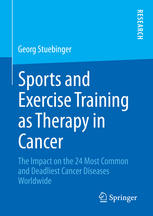
Chemotherapy destroys cancer, but it also induces a profound, system-wide physiological collapse in the patient, driving severe muscle wasting, cardiotoxicity, and crushing fatigue. Telling a patient to simply “rest in bed” actively accelerates this collapse. Sports and Exercise Training as Therapy in Cancer is a fiercely evidence-based, highly clinical manual detailing exactly how to use physical stress to counteract chemical toxicity. This volume provides the precise physiological blueprints required to rebuild the patient’s body while it is actively under chemical assault.
Mastering the Cachexia Reversal
The core philosophy of this text is the biochemical power of resistance training. The authors aggressively detail the mechanics of muscle preservation. It dictates exactly how prescribing heavy resistance training (weightlifting) to a patient undergoing chemotherapy actively interrupts the catabolic signaling pathways (like TNF-alpha) that the tumor uses to dissolve the patient’s skeletal muscle, preventing cancer cachexia.
Navigating Cardiotoxicity Mitigation
The book provides a masterclass in cardiac preservation. It dictates the exact clinical pathways for aerobic intervention. It rigorously explores how anthracycline chemotherapy (like doxorubicin) physically damages the heart muscle, and how structured, high-intensity aerobic exercise forces the heart to adapt and strengthen, measurably reducing the incidence of chemotherapy-induced heart failure.
Frequently Asked Questions (FAQs)
Is this a lifestyle book about doing yoga to feel better?
No, it is a highly rigorous *exercise physiology, sports medicine, and clinical oncology textbook* detailing the exact metabolic, immunological, and cardiovascular benefits of prescribed exercise.
Who is the primary audience?
It is the absolute, mandatory clinical guide for Exercise Physiologists, Oncology Physical Therapists, Medical Oncologists, and Cancer Rehabilitation Specialists.