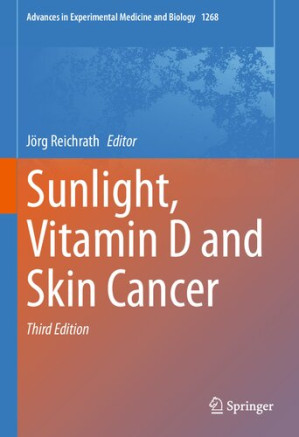


The Ultraviolet Paradox: Sunlight, Vitamin D and Skin Cancer
Dermatologists have spent decades telling the public that sunlight is a lethal carcinogen that must be avoided at all costs to prevent melanoma. But simultaneously, entirely blocking the sun causes severe Vitamin D deficiency, which has been mathematically linked to massive increases in breast, colon, and prostate cancer. Sunlight, Vitamin D and Skin Cancer is a fiercely debated, highly analytical epidemiological manual detailing this brutal paradox. This volume provides the precise scientific blueprints required to navigate the razor-thin line between essential nutrition and lethal radiation.
Mastering the UVB Wavelength
The core philosophy of this text is the dual nature of the photon. The authors aggressively detail the mechanics of cutaneous synthesis. It dictates exactly how the exact same ultraviolet B (UVB) photon that physically smashes the DNA in a skin cell to cause a melanoma mutation is also the absolute, non-negotiable requirement for synthesizing Vitamin D3 in the epidermis.
Navigating the Epidemiological Conflict
The book provides a masterclass in statistical analysis. It dictates the exact clinical pathways for understanding cancer incidence based on geography. It rigorously explores the maddening reality that people living in higher latitudes (with less sun) have significantly lower rates of skin cancer, but staggeringly higher rates of death from internal solid tumors, forcing oncologists to completely rethink the standard “zero sun” advice.
Frequently Asked Questions (FAQs)
Is this a naturopathic book telling people to stop using sunscreen?
Absolutely not. It is a highly rigorous *epidemiology, dermatology, and molecular biology textbook* analyzing complex statistical data and biochemical pathways to find a scientifically sound balance.
Who is the primary audience?
It is an essential, mandatory reference for Dermatologists, Epidemiologists, Oncologists, and Public Health Policymakers.