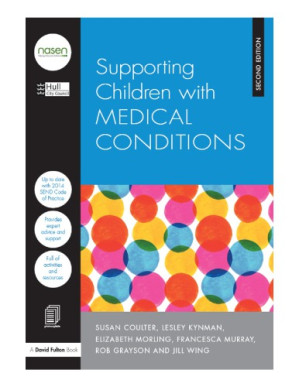


Inclusive Environments: Supporting Children with Medical Conditions, 2nd Edition
A child’s right to an education should not be compromised by a chronic illness. Yet, integrating a child with complex medical needs—whether it’s severe asthma, type 1 diabetes, or a seizure disorder—into a mainstream school environment presents significant logistical, legal, and safety challenges. Supporting Children with Medical Conditions, 2nd Edition is the definitive, fiercely practical manual designed to bridge the gap between healthcare and education. This volume provides the exact, legally compliant protocols required by educators, school nurses, and administrators to ensure that every child is safe, supported, and fully included in school life.
Mastering the Management of Chronic Illness in Schools
The core philosophy of this text is proactive inclusion. The authors aggressively demystify common pediatric medical conditions for non-medical professionals. They dictate exactly what teachers need to know about the pathophysiology of common diseases, ensuring they understand the physical limitations a child might face and the reasons behind specific medical accommodations, thereby replacing fear with informed competence.
Navigating Asthma, Diabetes, and Epilepsy in the Classroom
The book provides a masterclass in daily management. It dictates the exact protocols for supporting a child with Type 1 Diabetes, detailing the signs of hypoglycemia and the procedures for blood glucose monitoring and insulin administration (via pen or pump). It provides exhaustive guidelines on identifying asthma triggers in the classroom and managing seizure protocols, ensuring that staff know exactly when to intervene and when to call emergency services.
Managing Medical Emergencies and Individual Healthcare Plans
This is a fiercely practical guide to emergency preparedness. The authors provide rigid templates and instructions for developing robust Individual Healthcare Plans (IHPs). The text dictates exactly how to document emergency procedures, defining the specific roles and responsibilities of all staff members if a child experiences anaphylaxis, a severe asthma attack, or a prolonged seizure.
Integrating Educational Accommodations with Medical Needs
The final value of this reference is its focus on the whole child. The text dictates how a medical condition can impact a child’s cognitive function, behavior, and emotional well-being. It ensures that educators understand how to provide appropriate academic accommodations—such as modified physical education or extended time for exams—to prevent the child from falling behind due to medical absences or fatigue.
Frequently Asked Questions (FAQs)
Does this book address the legal responsibilities of schools?
Yes, it features critical sections on disability discrimination legislation, dictating the statutory duties of schools to provide reasonable adjustments and ensuring that administrators are fully aware of their legal liabilities.
Are there specific guidelines for managing medication administration at school?
Absolutely. It provides explicit, strict protocols for the safe storage, handling, and administration of prescribed medications by school staff, including the use of emergency autoinjectors (EpiPens).
Who is the primary audience?
It is the absolute, mandatory handbook for School Nurses, Teachers, Special Educational Needs Coordinators (SENCOs), and School Administrators.
Conclusion
Supporting Children with Medical Conditions (2nd Edition) proves that medical complexity should never be a barrier to education. It is the indispensable bedrock of inclusive schooling. By mastering the daily management protocols, the emergency response algorithms, and the legal frameworks detailed in this vital volume, schools can create environments where every child, regardless of their health status, can thrive.