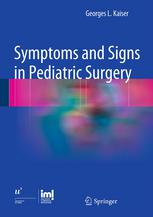

Decoding Surgical Pathology: Symptoms and Signs in Pediatric Surgery
In pediatric medicine, surgical catastrophes rarely present with textbook clarity. A surgical abdomen in an infant may masquerade as feeding intolerance, and a critical congenital anomaly may present with subtle, easily missed physical findings. Symptoms and Signs in Pediatric Surgery is the definitive, fiercely analytical diagnostic manual dedicated to deciphering the clinical presentations of surgical disease. This volume provides the exact blueprints required to recognize the red flags that demand immediate surgical intervention before irreversible ischemia or systemic collapse occurs.
Mastering the Diagnostic Significance of Pediatric Surgical Presentations
The core philosophy of this text is aggressive pattern recognition. The authors aggressively deconstruct the most common and confusing clinical presentations: bilious emesis, intractable abdominal pain, complex neck masses, and catastrophic gastrointestinal bleeding. They detail exactly how to utilize the patient’s age (neonate vs. toddler vs. adolescent) to instantly alter the statistical probability of specific surgical pathologies, ensuring the diagnostic workup is focused and rapid.
Navigating Acute Abdominal Crises and Congenital Anomalies
The book provides a masterclass in the pediatric acute abdomen. It dictates the exact, rigid protocols for differentiating medical mimics (like severe gastroenteritis or lower lobe pneumonia) from true surgical emergencies like midgut volvulus, intussusception, or complicated appendicitis. It details precisely which subtle physical exam findings mandate immediate consultation with a pediatric surgeon.
Managing Neonatal Surgical Emergencies and Thoracic Malformations
This is a fiercely practical guide to the most vulnerable patients. The authors provide exhaustive details on recognizing life-threatening neonatal congenital defects. The text dictates exactly how to interpret the immediate postnatal presentation of congenital diaphragmatic hernia (CDH), esophageal atresia (EA), and catastrophic abdominal wall defects (gastroschisis and omphalocele), providing the critical stabilization steps required before transport to the OR.
Integrating Clinical Findings with Targeted Radiographic Imaging
The final value of this reference is its absolute focus on efficient, precise diagnostic workups. The text provides the exact algorithms for selecting the appropriate imaging modality based on the clinical presentation. It dictates exactly when to rely on high-resolution pediatric ultrasound (to avoid radiation) and when a contrast-enhanced CT scan or an emergent upper GI series is absolutely mandated to confirm a surgical diagnosis.
Frequently Asked Questions (FAQs)
Does this book detail the surgical procedures themselves?
No. Its exclusive, laser-focused purpose is diagnostic accuracy. It dictates how to identify the surgical problem; it relies on operative atlases to detail the subsequent surgical execution.
Is the text suitable for general pediatricians?
Absolutely. It is specifically designed to arm the frontline pediatrician and emergency physician with the exact criteria required to quickly and confidently refer a child to a pediatric surgeon.
Who is the primary audience?
It is the absolute, undisputed, mandatory diagnostic framework for General Pediatricians, Emergency Medicine Physicians, Pediatric Surgical Residents, and Neonatologists.
Conclusion
Symptoms and Signs in Pediatric Surgery proves that saving a child from a surgical catastrophe requires an uncompromising ability to rapidly decode ambiguous clinical presentations. It is the indispensable bedrock of pediatric triage. By mastering the symptom-based algorithms, the age-specific differentials, and the imaging guidelines detailed in this high-yield volume, clinicians ensure they never miss a critical surgical diagnosis.