A Visual Masterclass: The Great Ormond Street Colour Handbook of Paediatrics and Child Health
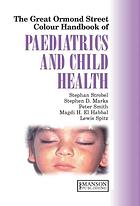
In the chaotic, high-pressure environment of the pediatric emergency department or busy outpatient clinic, rapid pattern recognition is a vital clinical skill. Pediatric medicine is inherently visual; rashes, dysmorphic features, and abnormal postures often provide the critical first clues to a complex diagnosis. The Great Ormond Street Colour Handbook of Paediatrics and Child Health is a fiercely concentrated, visually driven diagnostic manual. Curated by the experts at one of the world’s most prestigious children’s hospitals, this volume provides the uncompromising blueprints required to instantly recognize both classic and incredibly rare pediatric presentations.
Rapid Visual Diagnosis of Classical and Atypical Pediatric Presentations
The core philosophy of this text is that seeing the pathology is the first step to conquering it. The authors aggressively deconstruct the physical exam. They provide hundreds of high-definition clinical photographs, dictating exactly what to look for when evaluating a child with a mysterious purpuric rash (e.g., differentiating benign viral exanthems from devastating meningococcemia or Henoch-Schönlein purpura).
System-Based Approach to Complex Multisystem Disease
The book provides a masterclass in organized diagnostic thinking. It dictates the exact visual markers for complex syndromes. It details precisely how to rapidly identify the subtle dysmorphic facial features characteristic of specific chromosomal abnormalities (like Trisomy 21 or Turner syndrome), linking these visual cues directly to the expected cardiac, gastrointestinal, and neurological complications.
Integrating Visual Cues with Evidenced-Based Diagnostic Algorithms
This is a fiercely practical guide to rapid clinical decision-making. This is not simply a picture book; it is a clinical weapon. The text dictates the exact diagnostic algorithms that must be deployed immediately after a visual diagnosis is suspected. It outlines precisely which urgent laboratory tests, radiological imaging, or specialized referrals are mandated by the initial visual presentation.
A Legacy of Clinical Excellence from Great Ormond Street Hospital
The final value of this reference is its absolute reliance on immense clinical experience. Distilling decades of expertise from Great Ormond Street Hospital, the text provides the exact “clinical pearls” and red flag warnings required to prevent catastrophic misdiagnoses in acute pediatric presentations, from severe respiratory distress to subtle signs of child abuse (NAI).
Frequently Asked Questions (FAQs)
Does this book cover pediatric dermatology in detail?
Yes, it features massive, critical sections on identifying complex neonatal rashes, differentiating severe atopic dermatitis from dangerous cutaneous infections, and recognizing the cutaneous manifestations of systemic rheumatological disease.
Is it useful for medical students preparing for exams?
Absolutely. It is universally considered the ultimate, high-yield visual review tool for pediatric clinical examinations (OSCEs) and board certifications.
Who is the primary audience?
It is the absolute, undisputed, mandatory pocket reference for Pediatric Trainees (Residents and Registrars), Medical Students, General Practitioners, and Pediatric Emergency Physicians.
Conclusion
The Great Ormond Street Colour Handbook of Paediatrics and Child Health proves that mastering pediatric diagnosis requires training the eye as rigorously as the mind. It is the indispensable bedrock of the pediatric clinical exam. By memorizing the visual patterns, the dysmorphic features, and the associated diagnostic algorithms detailed in this volume, clinicians ensure they never miss a critical diagnosis.