
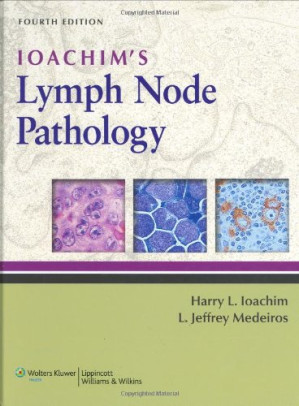

The Lymphoid Architect: Ioachim’s Lymph Node Pathology (4th Edition)
Evaluating an enlarged lymph node is one of the most perilous tasks in diagnostic medicine. The pathologist must distinguish a robust, healthy immune reaction (which requires no treatment) from a highly lethal lymphoma (which requires immediate chemotherapy). The architecture of the lymph node is easily distorted by both processes. Ioachim’s Lymph Node Pathology (4th Edition) is a legendary, fiercely practical bench-side manual designed specifically to navigate this diagnostic minefield. This volume provides the exact blueprints required to master the morphologic and immunophenotypic evaluation of lymphoid tissue.
Mastering Reactive Lymphadenopathies
The core philosophy of this text is pattern recognition of the *benign* before attempting to diagnose the *malignant*. The authors aggressively detail the specific reactive patterns: follicular hyperplasia, paracortical hyperplasia, and sinus histiocytosis. It dictates exactly how to recognize the pathognomonic viral inclusions of EBV or CMV, the granulomas of sarcoidosis or tuberculosis, and the highly specific “suppurative granulomas” characteristic of Cat Scratch Disease.
Navigating Hodgkin and Non-Hodgkin Lymphomas
The book provides a masterclass in diagnosing lymphoid neoplasia. It dictates the exact clinical pathways for integrating standard H&E morphology with complex immunohistochemical panels. It provides exhaustive, highly visual guidelines for identifying the classic Reed-Sternberg cells of Hodgkin lymphoma, and for differentiating the myriad subtypes of small B-cell lymphomas (like separating Mantle Cell Lymphoma from Chronic Lymphocytic Leukemia/SLL).
Frequently Asked Questions (FAQs)
Is this book updated with the latest WHO classification?
Yes, the 4th edition rigorously integrates the complex, molecularly-driven WHO classification scheme, linking classic morphological patterns directly to their underlying genetic drivers.
Who is the primary audience?
It is the absolute, mandatory daily manual for Hematopathologists, General Surgical Pathologists, Pathology Residents, and Oncologists.


