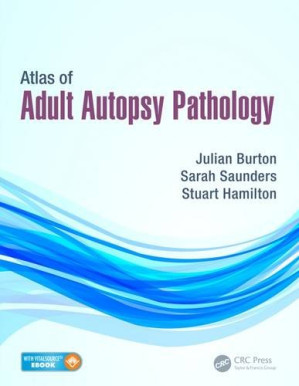

The Final Diagnosis: Atlas of Adult Autopsy Pathology
Despite the immense power of modern medical imaging, the adult autopsy remains the ultimate arbiter of truth in medicine. It reveals the missed diagnoses, the silent complications of therapy, and the true, unvarnished cause of death. Atlas of Adult Autopsy Pathology is the definitive, fiercely practical visual manual designed specifically for the prosector. This volume provides the exact blueprints required by pathologists and residents to systematically dissect, evaluate, and document every organ system in the adult body.
Mastering the Evisceration and Gross Examination
The core philosophy of this text is standardized, meticulous dissection. The authors aggressively detail the various techniques for evisceration (e.g., the Letulle en bloc method versus the Virchow organ-by-organ method), dictating exactly when each approach is indicated. It provides crucial, high-resolution imagery demonstrating how to recognize acute myocardial infarction, massive pulmonary embolism, and complex gastrointestinal hemorrhage directly at the autopsy table.
Navigating the Pathological Correlation
The book provides a masterclass in linking the gross findings to the clinical history. It dictates the exact clinical pathways for investigating death in specific scenarios, such as the postoperative patient or the patient with sudden, unexpected cardiac collapse. It provides exhaustive guidelines on proper tissue sampling for subsequent histological, toxicological, and microbiological analysis, ensuring the final autopsy report is robust and legally sound.
Frequently Asked Questions (FAQs)
Does this book cover forensic (medicolegal) autopsies?
While primarily focused on the medical (hospital) autopsy, the text provides critical guidance on recognizing signs of trauma, poisoning, or foul play that immediately necessitate transferring the case to a medical examiner.
Who is the primary audience?
It is the absolute, mandatory visual guide for Pathology Residents, General Autopsy Pathologists, Medical Examiners, and Pathologists’ Assistants (PAs).