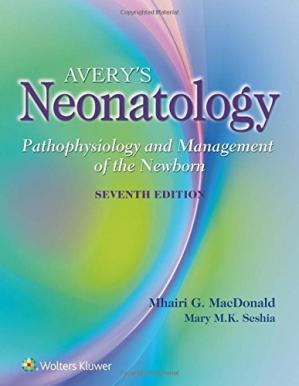

The Neonatal Benchmark: Avery’s Neonatology: Pathophysiology and Management of the Newborn, 7th Edition
The neonatal intensive care unit (NICU) is an environment defined by extreme physiological fragility and rapid technological advancement. To successfully manage an infant born at the very edge of viability, a physician must possess a profound understanding of fetal development and neonatal pathophysiology. Avery’s Neonatology: Pathophysiology and Management of the Newborn, 7th Edition is the definitive, fiercely rigorous masterwork that has served as the gold standard in the field for decades. This volume provides the exact, encyclopedic knowledge required by neonatologists to navigate the complexities of prematurity and critically ill term infants.
Mastering the Complex Physiology of the Micro-Preemie
The core philosophy of this text is pathophysiology driving clinical practice. The authors aggressively detail the immature organ systems of the extremely low birth weight (ELBW) infant. They dictate exactly how the underdevelopment of the lungs, brain, and gastrointestinal tract dictates the infant’s vulnerability to conditions like bronchopulmonary dysplasia (BPD), intraventricular hemorrhage (IVH), and necrotizing enterocolitis (NEC), providing the scientific rationale for every intervention.
Navigating Respiratory Distress and Mechanical Ventilation
The book provides a masterclass in neonatal respiratory support. It dictates the exact pathophysiology of respiratory distress syndrome (RDS) and the precise indications for exogenous surfactant administration. It provides exhaustive, nuanced protocols for managing conventional mechanical ventilation and high-frequency oscillatory ventilation (HFOV), focusing aggressively on minimizing ventilator-induced lung injury (VILI).
Managing Neonatal Sepsis and Infectious Diseases
This is a fiercely practical guide to combating neonatal infections. The authors provide rigid diagnostic criteria for early-onset and late-onset neonatal sepsis. The text dictates exactly how to interpret nuanced laboratory markers and outlines the precise, evidence-based empiric antibiotic regimens required to aggressively treat bacterial, viral (e.g., HSV, CMV), and fungal infections in the immunocompromised neonate.
Integrating Maternal-Fetal Medicine with Neonatal Outcomes
The final value of this reference is its seamless bridge between obstetrics and neonatology. The text dictates how maternal conditions (e.g., preeclampsia, chorioamnionitis, diabetes) directly impact fetal development and neonatal transition. It ensures the neonatologist is fully prepared to manage the specific complications arising from the intrauterine environment immediately upon delivery.
Frequently Asked Questions (FAQs)
Does this edition address the management of hypoxic-ischemic encephalopathy (HIE)?
Yes, it features critical sections on the pathophysiology of perinatal asphyxia and dictates the exact, rigid protocols for implementing therapeutic hypothermia (cooling) to mitigate devastating neurological injury.
Are there specific guidelines for neonatal nutrition?
Absolutely. It provides explicit, aggressive protocols for managing parenteral (IV) and enteral nutrition, emphasizing the critical importance of early protein intake and the use of fortified human milk to optimize neurodevelopment.
Who is the primary audience?
It is the absolute, mandatory reference for Neonatologists, Neonatal-Perinatal Fellows, Neonatal Nurse Practitioners, and Pediatricians.
Conclusion
Avery’s Neonatology (7th Edition) proves that excellence in the NICU requires an uncompromising commitment to understanding physiology. It is the indispensable bedrock of modern neonatal care. By mastering the ventilatory strategies, the infectious disease protocols, and the nutritional frameworks detailed in this monumental volume, clinicians can provide life-saving, state-of-the-art care to the most vulnerable patients.