Navigating the Grey Areas: Ethical Dilemmas in Pediatrics
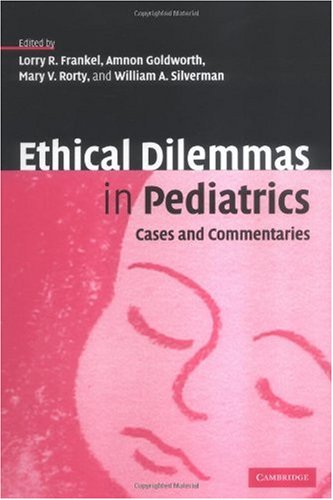
Pediatric medicine frequently forces clinicians into agonizing moral territory where medical capability outpaces ethical clarity. When do we stop treating a profoundly premature neonate? How do we respond when parents refuse life-saving chemotherapy for their child based on religious beliefs? Ethical Dilemmas in Pediatrics: Cases and Commentaries is the definitive, fiercely analytical treatise designed to navigate these intractable conflicts. This volume provides the exact ethical frameworks required to make defensible, compassionate decisions when the “right” choice is obscured by competing values.
Mastering the Complexities of Pediatric Bioethics
The core philosophy of this text is that clinical facts alone cannot resolve moral disputes. The authors aggressively deconstruct the foundational principles of bioethics—autonomy, beneficence, non-maleficence, and justice—and how they must be adapted for patients who lack decision-making capacity. They detail exactly how to weigh the child’s “best interests” against parental rights and the limits of state intervention.
Navigating End-of-Life Decisions and the Limits of Viability
The book provides a masterclass in managing the most profound clinical tragedies. It dictates the rigorous ethical pathways for approaching the limits of neonatal viability (the “grey zone” of 22-24 weeks gestation). It provides exhaustive analysis on the ethics of withdrawing life-sustaining treatment (ventilation, artificial nutrition) in children with profound, irreversible neurological devastation, focusing on palliative care and the concept of a “good death.”
Managing Parental Refusal of Treatment and Religious Objections
This is a fiercely practical guide to navigating legal and moral clashes. The authors provide rigid frameworks for managing scenarios where parental decisions actively endanger the child. The text dictates exactly when a clinician is morally and legally obligated to seek a court order to force treatment (e.g., blood transfusions for Jehovah’s Witness children in emergencies) and when parental discretion must be respected, even if the clinician disagrees.
Integrating Legal Frameworks with Moral Philosophy in Clinical Practice
The final value of this reference is its reliance on intense, real-world case studies. The text provides the exact, nuanced commentaries from ethicists, lawyers, and clinicians on complex cases involving organ donation, genetic testing in minors, and the participation of children in clinical research. It dictates how to utilize hospital ethics committees effectively to mediate disputes and build consensus.
Frequently Asked Questions (FAQs)
Does this book address the ethics of treating adolescents?
Yes, it features critical chapters on the evolving autonomy of the adolescent (“mature minor” doctrines), confidentiality, and the ethics of providing reproductive healthcare or psychiatric treatment without parental consent.
Are the ethical implications of emerging technologies discussed?
Absolutely. The text rigorously examines the bioethical challenges posed by advanced genomics, experimental therapies, and the increasing ability to sustain biological life indefinitely.
Who is the primary audience?
It is the absolute, mandatory text for Pediatricians, Neonatologists, Clinical Bioethicists, Hospital Administrators, and Medical Law Professionals.
Conclusion
Ethical Dilemmas in Pediatrics proves that being a great clinician requires more than just scientific knowledge; it demands an uncompromising commitment to moral philosophy, legal understanding, and profound empathy. It is the indispensable bedrock of pediatric bioethics. By mastering the ethical frameworks, analyzing the case studies, and engaging with the commentaries detailed in this crucial volume, professionals are equipped to navigate the most agonizing decisions in medicine.