

Building Emotional Armor: Help Kids Cope with Stress & Trauma
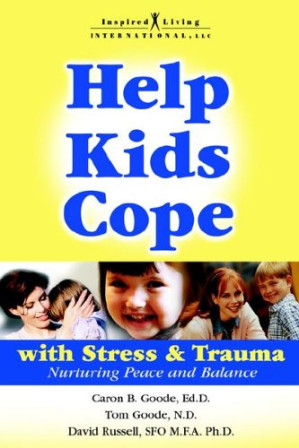
Childhood is rarely the stress-free idyll that adults romanticize. Children are highly vulnerable to the pressures of modern life, bullying, family disruption, and profound traumatic events. Help Kids Cope with Stress & Trauma is the definitive, fiercely practical manual designed to empower adults to become agents of healing. This volume provides the exact, evidence-based blueprints required to recognize the subtle signs of pediatric distress and implement actionable strategies that foster profound psychological resilience.
Mastering Trauma-Informed Communication with Children
The core philosophy of this text is that children do not process or articulate trauma like adults; their distress is often expressed through behavior, regression, and somatic complaints. The authors aggressively deconstruct these non-verbal cues. They detail exactly how to initiate safe, validating conversations, teaching adults how to listen without judgment, avoid forced disclosures, and communicate physical and emotional safety.
Navigating Acute Stress Responses and PTSD Symptoms
The book provides a masterclass in psychological first aid. It dictates the exact clinical pathways for differentiating between normal developmental anxiety and acute stress disorder or PTSD. It provides exhaustive, step-by-step instructions on how to manage flashbacks, severe sleep disturbances, and the intense emotional dysregulation that often follows exposure to a traumatic event.
Managing the Impact of Environmental and Interpersonal Trauma
This is a fiercely practical guide to addressing specific stressors. The authors provide rigid frameworks for helping children navigate divorce, the death of a loved one, natural disasters, or community violence. The text dictates exactly how to maintain routines, set predictable boundaries, and shield children from re-traumatizing media exposure while still answering their questions honestly.
Integrating Grounding Techniques and Emotional Regulation Skills
The final value of this reference is its arsenal of coping tools. The text provides the exact scripts for teaching children tangible emotional regulation skills. It dictates how to utilize deep breathing exercises, progressive muscle relaxation, and cognitive reframing (identifying and challenging negative thoughts) using developmentally appropriate language and play-based activities.
Frequently Asked Questions (FAQs)
Does this book provide guidance on when to seek professional help?
Yes, it features explicit “red flag” indicators—such as self-harm behaviors, severe regression, or prolonged dissociation—that dictate when immediate referral to a child psychologist or psychiatrist is mandatory.
Are there specific strategies for teachers dealing with traumatized students?
Absolutely. It includes dedicated chapters on creating trauma-sensitive classrooms, managing disruptive behaviors rooted in trauma, and supporting academic focus in highly stressed children.
Who is the primary audience?
It is the absolute, mandatory resource for Parents, Foster Carers, Teachers, School Counselors, and Pediatricians on the front lines of child welfare.
Conclusion
Help Kids Cope with Stress & Trauma proves that protecting a child’s mental health requires an uncompromising commitment to active listening, trauma-informed care, and the explicit teaching of coping skills. It is the indispensable bedrock of pediatric emotional support. By mastering the grounding techniques, the communication strategies, and the resilience-building exercises detailed in this vital guide, adults can help children heal and thrive.