
The Integration Paradigm: A New Medical Pluralism
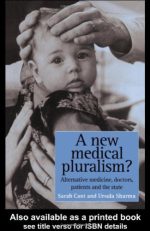
The boundaries between orthodox biomedicine and complementary/alternative medicine (CAM) are increasingly porous. Patients are independently integrating therapies, forcing a shift in how modern healthcare systems operate. A New Medical Pluralism: Complementary Medicine, Doctors, Patients And The State is a definitive, fiercely analytical exploration of this shifting paradigm. This volume provides the exact blueprints required to understand the complex sociological, regulatory, and clinical implications of integrating non-conventional therapies into mainstream practice.
Mastering the Landscape of Complementary and Alternative Medicine (CAM)
The core philosophy of this text is that ignoring CAM is no longer clinically or politically viable. The authors aggressively deconstruct the historical tension between allopathic medicine and traditional therapies. They detail exactly how globalization, patient consumerism, and the limits of biomedicine in treating chronic illness have driven the massive resurgence and demand for therapies like acupuncture, homeopathy, and herbal medicine.
Navigating the Doctor-Patient Dialogue on Alternative Therapies
The book provides a masterclass in clinical communication. It dictates the exact strategies physicians must employ to foster open, non-judgmental dialogue about CAM use. It provides exhaustive details on how to navigate scenarios where patients reject standard treatments in favor of unproven alternatives, emphasizing shared decision-making while maintaining ethical obligations to evidence-based care.
Managing Risk and Evidence in Unconventional Treatments
This is a fiercely practical guide to evaluating safety and efficacy. The authors provide rigid frameworks for applying the gold standards of evidence-based medicine (RCTs) to highly individualized, holistic therapies. The text dictates exactly how clinicians and regulatory bodies must assess the risks of direct harm (toxicity, contamination) and indirect harm (delaying effective biomedical treatment) associated with CAM.
Integrating CAM into State-Sanctioned Healthcare Systems
The final value of this reference is its profound policy analysis. The text provides the exact mechanisms by which the state attempts to regulate, legitimize, or marginalize CAM practitioners. It dictates how different national healthcare systems approach integration, from full state funding to strict prohibition, providing a comparative analysis of medical pluralism on a global scale.
Frequently Asked Questions (FAQs)
Does this book advocate for the use of specific complementary therapies?
No. It is an objective sociological and policy-driven analysis of the phenomenon of medical pluralism, rather than a clinical manual endorsing specific CAM treatments.
Are the legal implications for doctors discussed?
Absolutely. The text rigorously examines the liability issues surrounding the recommendation, co-management, or failure to inquire about a patient’s use of complementary therapies.
Who is the primary audience?
It is the absolute, mandatory text for Medical Sociologists, Health Policy Makers, Public Health Officials, and Physicians seeking to understand the evolving healthcare landscape.
Conclusion
A New Medical Pluralism proves that understanding modern healthcare requires an uncompromising analysis of how patients actually seek healing, not just how biomedicine dictates they should. It is the indispensable bedrock of health sociology. By mastering the regulatory frameworks, the clinical communication strategies, and the evidentiary debates detailed in this crucial volume, professionals can navigate the complexities of integrated care.