

Navigating Dangerous Waters: Antiepileptic Drug Interactions
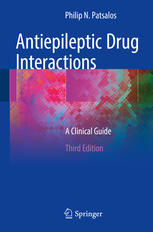
Treating epilepsy is rarely a matter of prescribing a single pill. Due to the complex, deeply entrenched nature of seizure disorders, the vast majority of patients are placed on a delicate, highly precarious cocktail of two, three, or even four powerful neurological medications simultaneously. When you combine these drugs, they do not simply coexist; they aggressively compete, alter, and often destroy one another in the bloodstream. Antiepileptic Drug Interactions: A Clinical Guide, Third Edition is the definitive, life-saving manual for navigating this chemical chaos. For neurologists, clinical pharmacists, and critical care physicians, this volume provides the precise pharmacokinetic data required to prevent catastrophic polypharmacy failures.
The High-Stakes Reality of Neurological Polypharmacy
The opening chapters establish the terrifying stakes of Antiepileptic Drug (AED) interactions. If Drug A causes the blood levels of Drug B to unexpectedly drop by 50%, the patient will suffer a massive, life-threatening breakthrough seizure. Conversely, if Drug A causes Drug B to double in concentration, the patient may fall into a toxic coma. This manual completely eliminates the guesswork, providing rigorous, mathematically precise tables detailing exactly how every major AED interacts with every other AED.
Cytochrome P450 Enzyme Induction and Inhibition
The core of this textbook is a masterclass in hepatic metabolism. Most classic AEDs (like Phenytoin and Carbamazepine) are massive “enzyme inducers”—they force the liver to produce massive amounts of Cytochrome P450 enzymes. The book explains exactly how these induced enzymes act like a hyperactive vacuum cleaner, rapidly destroying not only other seizure medications, but almost every other drug the patient takes. Conversely, it details “enzyme inhibitors” (like Valproic Acid) which shut the liver down, causing concurrent medications to build up to lethal, highly toxic levels.
AED Interactions with Oral Contraceptives and Antidepressants
The manual does not just cover AED-to-AED interactions; it covers everything. Perhaps the most vital clinical section details the disastrous interaction between enzyme-inducing AEDs and oral contraceptives. The book explains how an epilepsy drug can rapidly destroy the hormones in a birth control pill, leading to unplanned pregnancies in women who are taking highly teratogenic (birth-defect-causing) neurological medications. Furthermore, it provides exhaustive guidance on managing the complex interactions between AEDs and psychiatric medications (like SSRIs or antipsychotics).
Complex Pharmacokinetics: Protein Binding Displacement
Beyond the liver, the book explores the complex physics of the bloodstream. It details the phenomenon of protein-binding displacement. Highly bound drugs (like Phenytoin) travel through the blood attached to albumin proteins. The manual explains what happens when a second drug (like Aspirin or Valproic Acid) forcefully knocks Phenytoin off the protein, instantly flooding the brain with “free,” active drug and causing severe neurological toxicity, even if the patient’s total lab blood levels look perfectly normal.
Practical Guidelines for Dose Adjustments
This is not a theoretical text; it is a highly actionable clinical tool. For every major documented interaction, the book provides clear, evidence-based recommendations for preemptive dose adjustments. If a physician adds Lamotrigine to a patient already taking Valproate, the manual dictates exactly how drastically the Lamotrigine dose must be reduced (often by over 50%) to prevent the patient from developing Stevens-Johnson Syndrome.
Frequently Asked Questions (FAQs)
Are newer, third-generation AEDs included?
Yes, the 3rd edition features massive updates detailing the (often safer, but still complex) interaction profiles of newer drugs like Brivaracetam, Perampanel, and Lacosamide.
Does it cover interactions with herbal supplements?
Absolutely. It features critical warnings regarding common OTC supplements, specifically highlighting how St. John’s Wort can rapidly destroy AED blood levels and trigger seizures.
Who is the primary audience for this guide?
It is the ultimate desk reference for clinical pharmacists working in neurology wards, and an indispensable tool for any physician managing complex epilepsy patients.
Conclusion
Antiepileptic Drug Interactions is an absolute necessity for safe neurological practice. It proves that in the world of epilepsy, understanding what a drug does to the body is only half the battle; understanding what the drugs do to each other is what keeps the patient alive. By rigorously applying the precise pharmacokinetic adjustments detailed in this manual, healthcare providers can safely navigate the minefield of polypharmacy, ensuring optimal seizure control without the devastating consequences of toxic drug interactions.