Predicting Toxicity: Accelerating the Development of Biomarkers
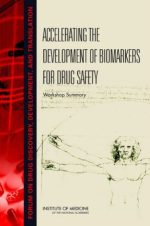
The pharmaceutical industry faces a massive, multi-billion-dollar crisis: late-stage clinical failure. A promising new drug will successfully pass years of animal testing, only to be administered to humans in a Phase III trial where it unexpectedly destroys the patients’ kidneys or causes lethal liver failure. The science of predicting this toxicity before it happens is the most urgent challenge in modern medicine. Accelerating the Development of Biomarkers for Drug Safety: Workshop Summary is a vital, high-level policy and scientific document that outlines the solution. For industrial toxicologists, FDA regulators, and pharmaceutical executives, this text provides the strategic blueprint for developing the early-warning systems required to save both human lives and billions in R&D funding.
The Crisis of Late-Stage Drug Failure
The opening chapters, summarized from a critical Institute of Medicine (IOM) workshop, starkly define the problem. The traditional markers used to detect organ damage (like testing BUN/Creatinine for kidneys, or ALT/AST for the liver) are profoundly inadequate. By the time these standard blood tests show a dangerous spike, massive, often irreversible organ necrosis has already occurred. The industry desperately needs “predictive” biomarkers—microscopic signals that appear days or weeks before the actual organ failure happens.
What is a Safety Biomarker?
The text provides a rigorous scientific deconstruction of advanced biomarker development. It details the shift from looking at crude, systemic blood markers to utilizing highly advanced genomic, proteomic, and metabolomic screening. Readers will explore how scientists use microarrays to detect the upregulation of specific “stress genes” inside a cell, or utilize mass spectrometry to identify microscopic protein fragments that leak into the urine the exact moment a kidney tubule experiences the slightest chemical toxicity.
Nephrotoxicity and Hepatotoxicity Biomarkers
The core of the workshop focuses on the two most common reasons drugs fail: kidney and liver toxicity. The document provides exhaustive reviews of the most promising emerging biomarkers. It details the massive industrial push to validate novel kidney markers (like KIM-1 and NGAL), which are vastly more sensitive and specific than traditional serum creatinine, allowing researchers to halt a dangerous drug trial long before a patient requires dialysis.
The Regulatory Pathway for Biomarker Qualification
A brilliant biomarker is useless if the FDA refuses to accept the data it generates. The most crucial sections of this text deal with regulatory science. It details the incredibly complex, highly bureaucratic “Biomarker Qualification” process. It explains exactly what level of statistical proof the FDA and EMA require before they will officially allow a pharmaceutical company to use a new biomarker to prove their experimental drug is safe for human consumption.
Public-Private Partnerships (C-Path and IMI)
The document emphasizes a profound realization: no single pharmaceutical company can solve this crisis alone. Developing and qualifying a biomarker costs millions of dollars. The text heavily advocates for pre-competitive, public-private partnerships (like the Predictive Safety Testing Consortium). It details how fierce corporate rivals (like Pfizer, Merck, and Novartis) must pool their toxicological data and work collaboratively with the FDA to validate these critical safety tools for the benefit of the entire industry.
Frequently Asked Questions (FAQs)
Is this a textbook on how to run a lab assay?
No. It is a high-level strategic and regulatory summary. It focuses on the policy, statistical validation, and collaborative frameworks required to bring a biomarker from the lab bench to FDA approval.
Does it cover biomarkers for drug efficacy?
No, it is strictly focused on safety biomarkers (predicting toxicity), which present a vastly different set of regulatory and scientific challenges than efficacy biomarkers.
Who should read this summary?
It is essential reading for Chief Scientific Officers (CSOs), regulatory affairs directors, and toxicologists tasked with derisking a pharmaceutical company’s clinical pipeline.
Conclusion
Accelerating the Development of Biomarkers for Drug Safety is a roadmap to the future of pharmaceutical testing. It proves that the era of guessing and hoping a drug is safe must end. By embracing the advanced molecular technologies and collaborative regulatory frameworks detailed in this document, the industry can finally build the predictive early-warning systems required to eliminate lethal toxicity, radically reducing the cost of drug development and guaranteeing patient safety.