Mastering Infectious Disease: Antibiotics Simplified, 2nd Edition
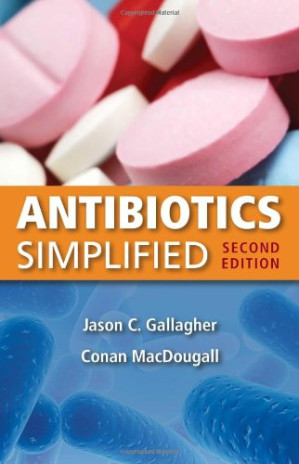
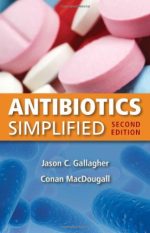
Infectious disease is arguably the most intimidating specialty for students entering the medical field. The sheer volume of bacterial species, constantly evolving resistance patterns, and the massive arsenal of antimicrobial drugs can quickly turn a hospital rotation into a stressful guessing game. Antibiotics Simplified, 2nd Edition by Jason C. Gallagher and Conan MacDougall is the ultimate antidote to this confusion. Renowned for its brilliant clarity and high-yield focus, this pocket-sized guide strips away the academic bloat, providing medical students, pharmacy residents, and nursing professionals with the exact, practical knowledge required to confidently prescribe life-saving antibiotics on the wards.
Demystifying Antimicrobial Therapy
Massive infectious disease textbooks are excellent for referencing rare tropical diseases, but they are practically useless when you have three minutes to select an empiric antibiotic for a septic patient in the ER. Antibiotics Simplified is designed specifically for rapid clinical utility. It organizes the chaotic world of antimicrobials into highly logical, easy-to-digest chapters based entirely on the drug’s mechanism of action and its specific spectrum of bacterial coverage.
Mechanism of Action Made Easy
To truly understand an antibiotic, you must understand how it kills the bacteria. The authors utilize clear, highly intuitive diagrams and analogies to explain these microscopic battles. Readers will effortlessly grasp how Beta-lactams (like penicillins and cephalosporins) obliterate the bacterial cell wall, how Macrolides and Aminoglycosides hijack the bacterial ribosome to stop protein synthesis, and how Fluoroquinolones destroy the bacteria’s DNA replication machinery.
Spectrum of Activity and Bacterial Resistance
The true genius of this book lies in its “Spectrum of Activity” charts. Instead of listing every possible bacteria a drug might kill in a petri dish, the book aggressively focuses on the clinically relevant bugs. It clearly delineates which drugs cover dangerous “atypical” pneumonias, which are strictly for anaerobic gut infections, and which represent the heavy artillery required to defeat deadly, multidrug-resistant pathogens like MRSA (Methicillin-Resistant Staphylococcus aureus) and Pseudomonas aeruginosa.
High-Yield Clinical Pearls for the Wards
This is not just a pharmacology book; it is a clinical survival guide. Throughout the text, the authors provide invaluable “Clinical Pearls”—the unwritten rules of infectious disease practice. These insights cover critical topics such as:
- Dangerous Side Effects: Highlighting the risk of tendon rupture with Fluoroquinolones, or the nephrotoxicity associated with Vancomycin.
- Bioavailability: Knowing exactly which IV antibiotics can be safely and effectively transitioned to an oral pill, allowing the patient to be discharged from the hospital sooner.
- Tissue Penetration: Understanding why an antibiotic that works perfectly for a blood infection might be completely useless for a meningitis infection because it cannot cross the blood-brain barrier.
Navigating Empiric vs. Definitive Therapy
The final chapters of the book provide a masterclass in clinical decision-making. It guides the reader through the logic of empiric therapy (selecting broad-spectrum antibiotics based on an educated guess of the infection source) and the critical process of “de-escalation”—narrowing the antibiotic spectrum as soon as the specific bacteria is identified by the microbiology lab, a vital practice for preventing global antibiotic resistance.
Frequently Asked Questions (FAQs)
Does it cover antifungals and antivirals?
Yes, the 2nd Edition includes dedicated, highly efficient chapters covering the most commonly utilized systemic antifungals, antivirals (including HIV medications), and antiparasitics.
Is this book sufficient for infectious disease fellows?
While an excellent rapid-review tool, specialized ID physicians will require more exhaustive texts (like Mandell) for deep dives into rare pathologies. This book is specifically designed for general practitioners, residents, and students.
Is it easy to carry in the hospital?
Yes, its compact size is one of its greatest assets, designed specifically to fit into a white coat pocket for immediate reference during clinical rounds.
Conclusion
Antibiotics Simplified, 2nd Edition is widely considered a “must-have” for a reason. It transforms infectious disease from a terrifying memorization challenge into a logical, highly predictable science. By keeping this trusted guide in your pocket, you guarantee that your antimicrobial prescribing decisions are swift, safe, and highly effective, providing your patients with the best possible chance of overcoming severe infections.