Protecting the Patient: An Introduction to Pharmacovigilance (2nd Edition)
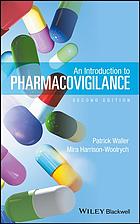
When a new drug receives FDA approval, the clinical trials are over, but the true medical experiment has just begun. Once a pharmaceutical is released to millions of people, rare, catastrophic, and previously unknown side effects will inevitably occur. An Introduction to Pharmacovigilance (2nd Edition) is the definitive, fiercely uncompromising manual dedicated to the science of drug safety. For clinical research professionals, regulatory affairs specialists, and pharmacists, this volume provides the absolute blueprints required to track, analyze, and prevent devastating Adverse Drug Reactions (ADRs) on a global scale.
The Crucial Science of Drug Safety and Monitoring
The core philosophy of this text is that no drug is perfectly safe. The authors aggressively deconstruct the exact mechanisms of post-marketing surveillance. They explain that clinical trials (Phase I-III) only test a few thousand carefully selected patients; it is only during Phase IV (post-marketing) that the drug is exposed to pregnant women, the elderly, and patients with severe comorbidities, which is when the most terrifying side effects (like liver failure or cardiac arrhythmias) finally emerge.
Identifying and Reporting Adverse Drug Reactions (ADRs)
The book provides a masterclass in forensic medical reporting. It details the exact, rigid legal protocols for reporting ADRs. Readers will learn the precise difference between an “adverse event” and a true “adverse drug reaction,” and exactly how to utilize international reporting systems (like the FDA’s FAERS database and the WHO’s VigiBase) to rapidly flag a drug that is killing patients.
Post-Marketing Surveillance and Signal Detection
This is a fiercely analytical guide to medical data. The authors dedicate massive sections to “Signal Detection.” They provide the exact statistical and epidemiological algorithms required to sift through millions of spontaneous reports to identify a “signal”—a statistically significant cluster of rare side effects (e.g., sudden blindness) that proves a specific drug is the direct cause, prompting an immediate “Black Box Warning” or a total market recall.
Navigating Global Regulatory Frameworks
The final value of this reference is its absolute focus on international law. The pharmaceutical industry is global, and so is the regulation. The text provides explicit, rigid guidelines on complying with the Pharmacovigilance laws of the FDA (United States), the EMA (Europe), and the PMDA (Japan), ensuring that pharmaceutical companies avoid massive multi-billion-dollar fines and criminal negligence charges.
Frequently Asked Questions (FAQs)
Is this a pharmacology textbook about how drugs work?
No. It does not focus on the drug’s mechanism of action; it focuses entirely on the legal, statistical, and epidemiological systems used to track the drug’s safety after it is sold to the public.
Does it cover the legal requirements for pharmaceutical companies?
Yes, it is heavily focused on regulatory compliance, detailing exactly what a pharmaceutical company must legally do the second they receive a report that their drug caused a fatality.
Who is the primary audience?
It is the absolute, mandatory desk reference for Pharmacovigilance Scientists, Clinical Trial Managers, Regulatory Affairs Specialists, and Clinical Pharmacists.
Conclusion
An Introduction to Pharmacovigilance proves that protecting the public requires far more than just approving a drug; it requires relentless, global surveillance. It is an indispensable survival guide for the pharmaceutical industry. By mastering the rigid reporting protocols, the complex signal detection algorithms, and the strict international regulations detailed in this volume, professionals ensure that dangerous drugs are pulled from the market before they cause catastrophic harm.