The Electrical Foundations of Biology: Biomedical Electrochemistry
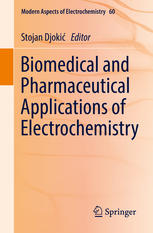
The human body is fundamentally an electrical machine. From the firing of neurons in the brain to the beating of the heart muscle, every biological action is driven by the movement of charged ions. By understanding and manipulating these microscopic electrical currents, scientists can design revolutionary diagnostic tools and highly targeted therapeutics. Biomedical and Pharmaceutical Applications of Electrochemistry is an advanced, highly specialized textbook that bridges the disciplines of physics, chemistry, and human biology. For analytical chemists, bioengineers, and pharmaceutical researchers, this volume provides the definitive guide to harnessing the power of electrons to advance modern medicine.
Bridging Chemistry, Physics, and Physiology
The opening chapters of this book provide a rigorous grounding in electroanalytical chemistry. It moves far beyond basic battery chemistry, diving into the complex thermodynamics and kinetics of electron transfer at the interface of solid electrodes and biological fluids. Readers will master advanced analytical techniques, specifically cyclic voltammetry and amperometry, learning how to utilize these highly sensitive methods to detect trace amounts of specific molecules (like neurotransmitters or pharmaceutical drugs) in complex biological samples like blood or cerebrospinal fluid.
Biosensors and Continuous Glucose Monitoring
The most famous and commercially successful application of biomedical electrochemistry is the modern glucose meter. This textbook provides a masterclass in the design and optimization of electrochemical biosensors. It details exactly how an enzyme (like glucose oxidase) is immobilized on a microscopic electrode, and how the chemical reaction between that enzyme and a patient’s blood sugar is instantly converted into a highly precise, measurable electrical current. Furthermore, it explores the cutting-edge engineering required to transition from finger-prick testing to implantable, Continuous Glucose Monitoring (CGM) systems.
Electrochemistry in Drug Synthesis and Quality Control
Beyond diagnostics, electrochemistry is a vital tool for the pharmaceutical industry. The book details how advanced electrochemical synthesis can be utilized to manufacture complex drug molecules in a “greener,” more efficient manner, avoiding the use of highly toxic, environmentally damaging chemical reagents. Additionally, it explores the use of high-performance electrochemical detectors (coupled with HPLC) for the rigorous quality control analysis required to detect microscopic impurities in pharmaceutical manufacturing batches.
Neural Interfaces and Electroceuticals
The most futuristic sections of the text focus on “Electroceuticals”—the use of electrical stimulation, rather than chemical drugs, to treat disease. The authors provide an in-depth analysis of the electrochemistry occurring at the interface of living brain tissue and implanted titanium electrodes. This research is the absolute foundation for developing Deep Brain Stimulation (DBS) devices for Parkinson’s disease, cochlear implants for the deaf, and the next generation of brain-computer interfaces (BCIs) for paralyzed patients.
Advanced Analytical Techniques
The book rigorously covers the analytical methodologies used to monitor in vivo drug metabolism. Researchers will learn how ultra-microelectrodes can be inserted directly into the brain of a living animal model to measure the exact, millisecond-by-millisecond release of dopamine in response to a pharmaceutical drug (like a novel antidepressant or addiction therapeutic).
Frequently Asked Questions (FAQs)
Is a strong background in physics required?
Yes, readers must have a firm understanding of physical chemistry, redox reactions, and electrical circuit theory to fully utilize the complex mathematical formulas presented in this text.
Does the book cover DNA biosensors?
Absolutely. It explores the highly advanced field of utilizing electrochemical probes to detect specific genetic mutations, offering a rapid, low-cost alternative to traditional PCR testing for infectious diseases and oncology.
Who is the primary audience for this highly specialized text?
It is an essential reference for graduate-level analytical chemists, biomedical engineers developing medical devices, and principal investigators running neuroscience or neuropharmacology labs.
Conclusion
Biomedical and Pharmaceutical Applications of Electrochemistry is a brilliant synthesis of the physical and biological sciences. It proves that the future of medicine relies just as much on measuring electrons as it does on prescribing chemicals. By mastering the advanced analytical techniques and biosensor engineering detailed in this volume, scientists can push the boundaries of medical diagnostics and develop revolutionary new interfaces that directly communicate with the human nervous system.