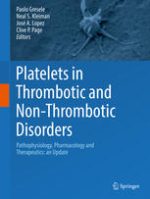

The Biology of Clotting: Platelets in Thrombotic and Non-Thrombotic Disorders
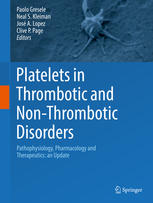
Platelets are the body’s microscopic first responders, instantly forming clots to stop catastrophic bleeding. However, when this system misfires, these exact same cells trigger the most lethal events in human medicine: massive myocardial infarctions (heart attacks) and ischemic strokes. Platelets in Thrombotic and Non-Thrombotic Disorders: Pathophysiology, Pharmacology and Therapeutics is the definitive, fiercely advanced hematological encyclopedia dedicated entirely to these complex cells. For cardiologists, hematologists, and pharmacologists, this volume provides the absolute blueprints required to control platelet function and save lives.
Deconstructing Platelet Pathophysiology and Hematology
The core philosophy of this text is absolute cellular mastery. The authors aggressively deconstruct the exact molecular biology of the platelet. They detail the precise cascade of platelet adhesion, activation, and aggregation. Readers will learn exactly how von Willebrand factor binds to damaged endothelium, and how the massive release of Thromboxane A2 and ADP triggers a violent, cascading blood clot capable of instantly occluding a major coronary artery.
The Mechanics of Arterial and Venous Thrombosis
The book provides a masterclass in vascular pathology. It details the exact differences between arterial clots (which cause heart attacks and strokes) and venous clots (like Deep Vein Thrombosis). The authors provide the rigid pathophysiological algorithms required to understand exactly why platelets behave differently in high-shear arterial environments versus low-flow venous systems, directly dictating the choice of medical intervention.
Advanced Pharmacology: Antiplatelet Therapeutics
This is a fiercely clinical guide to life-saving pharmacology. You cannot treat a heart attack without shutting down platelet function. The text provides massive, exhaustive sections on antiplatelet drugs. It details the exact mechanism of action for Aspirin, P2Y12 inhibitors (like Clopidogrel and Ticagrelor), and powerful intravenous GP IIb/IIIa inhibitors, providing the exact dosing and contraindications required for acute coronary syndromes.
Managing Bleeding Disorders and Thrombocytopenia
The final value of this reference is its focus on the opposite extreme: a lack of platelets. The authors provide the exact, rigid clinical protocols for diagnosing and managing severe bleeding disorders. They detail exactly how to treat Immune Thrombocytopenic Purpura (ITP), Heparin-Induced Thrombocytopenia (HIT), and the precise criteria for ordering a life-saving platelet transfusion in a critically bleeding patient.
Frequently Asked Questions (FAQs)
Is this a basic hematology book for medical students?
No. This is a highly advanced, exhaustive clinical textbook designed for sub-specialists. It dives deep into molecular pathways and complex pharmacology.
Does it cover the role of platelets in inflammation and cancer?
Yes, it includes cutting-edge chapters detailing how platelets actively participate in the immune response, systemic inflammation, and even tumor metastasis (cancer spread).
Who is the primary audience?
It is the absolute, mandatory desk reference for Hematologists, Interventional Cardiologists, Vascular Surgeons, and Clinical Pharmacologists.
Conclusion
Platelets in Thrombotic and Non-Thrombotic Disorders proves that controlling the human coagulation system requires an absolute mastery of cellular biology and aggressive pharmacology. It is an indispensable tool for the critical care and cardiology clinic. By mastering the complex aggregation cascades, the targeted antiplatelet therapies, and the severe bleeding management protocols detailed in this volume, specialists can successfully navigate the razor’s edge between fatal clotting and fatal hemorrhage.