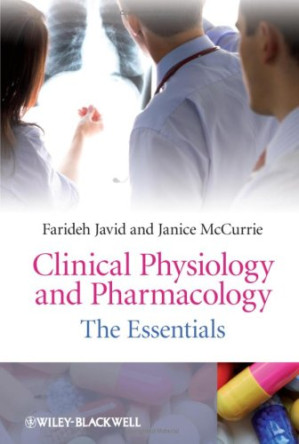
The Core of Medical Science: Clinical Physiology and Pharmacology: The Essentials
In the high-stakes environment of medical and nursing education, students are frequently taught physiology in one class and pharmacology in another, leaving them struggling to connect the two disciplines. Clinical Physiology and Pharmacology: The Essentials brilliantly obliterates this artificial divide. This textbook operates on a singular, powerful premise: you cannot possibly understand how a drug alters the human body unless you first possess a master-level understanding of how the body functions normally. For medical, nursing, and pharmacy students, this integrated approach is the ultimate key to clinical mastery and board exam success.
Bridging the Gap Between Normal Function and Drug Action
The traditional method of rote memorizing long lists of drug side effects is highly inefficient and quickly forgotten. This book replaces rote memorization with logical deduction. The authors seamlessly weave together the microscopic mechanisms of the human body with the chemical interventions of modern medicine. When a student understands the precise physiology of the renin-angiotensin-aldosterone system (RAAS), the mechanism, indications, and side effects of an ACE inhibitor drug become immediately obvious and logically predictable, rather than just another random fact to memorize.
A Systems-Based Approach to Human Biology
Aligning perfectly with modern, integrated medical school curricula, the textbook is organized strictly by organ systems (e.g., Cardiovascular, Respiratory, Renal, Endocrine). Each chapter begins with a high-yield, beautifully illustrated review of the normal physiological function of that specific system. Only after the baseline is firmly established does the text introduce the specific pharmacological agents used to treat diseases within that system.
Pharmacodynamics Rooted in Physiology
The text excels at demonstrating pharmacodynamics—what the drug does to the body—in stunning physiological detail. Readers will explore:
- The Autonomic Nervous System: Understanding the “fight or flight” versus “rest and digest” physiological pathways to perfectly predict the effects of sympathomimetic and anticholinergic drugs.
- Cardiac Electrophysiology: Mapping the precise ion flow during a cardiac action potential to understand exactly how different classes of antiarrhythmic drugs stabilize the heart.
- Renal Physiology: Tracing the flow of filtrate through the nephron to understand why loop diuretics cause massive fluid loss compared to weaker thiazide diuretics.
High-Yield Clinical Correlates
This is not a book of abstract theory; it is relentlessly focused on clinical application. Throughout the text, the authors provide critical “Clinical Correlate” boxes. These highly practical vignettes bridge the gap between textbook science and the hospital ward, explaining how the physiological concepts being discussed directly relate to diagnosing a patient’s symptoms or managing a dangerous adverse drug reaction in a real-world clinical scenario.
Perfect for Board Review Preparation
Because the USMLE (medical boards) and NCLEX (nursing boards) have moved away from testing isolated facts and toward testing integrated clinical reasoning, this book is an invaluable study asset. It trains the student’s brain to think exactly like a board examiner—constantly linking a pharmacological intervention back to its fundamental physiological mechanism.
Frequently Asked Questions (FAQs)
Is this book too advanced for undergraduate nursing students?
Not at all. The title “The Essentials” is highly accurate. It strips away the overly dense, esoteric research data found in massive reference tomes and focuses strictly on the core, high-yield concepts required for clinical practice.
Does it cover pharmacokinetics (absorption, distribution, metabolism, excretion)?
Yes, the introductory chapters provide a robust, easily digestible overview of pharmacokinetics, ensuring students understand how the body processes the drug before diving into the system-specific chapters.
Are there practice questions included?
Many editions of this text include end-of-chapter review questions designed specifically to test the student’s ability to integrate the physiological and pharmacological concepts.
Conclusion
Clinical Physiology and Pharmacology: The Essentials is a masterpiece of educational integration. It proves that pharmacology is not a standalone subject to be memorized, but rather the logical, chemical extension of human physiology. By mastering the integrated concepts within this book, healthcare students will build an unshakeable clinical foundation, allowing them to prescribe and administer medications with profound understanding and ultimate safety.