Understanding the Crisis: Drug Use and Abuse
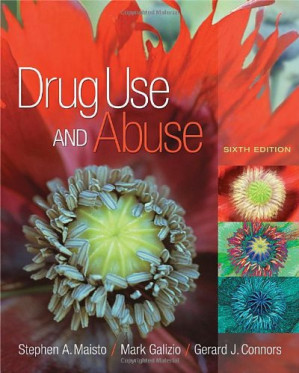
Substance abuse is not merely a legal issue; it is a profoundly complex public health crisis that shatters families, overwhelms healthcare systems, and devastates communities globally. To combat this epidemic, we must move beyond outdated moral judgments and understand the true psychological and physiological roots of addiction. Drug Use and Abuse is a comprehensive, deeply empathetic, and highly scientific textbook that explores the full spectrum of chemical dependency. For psychology students, social workers, addiction counselors, and public health officials, this volume provides the critical knowledge required to understand, treat, and ultimately prevent substance use disorders.
The Biopsychosocial Model of Addiction
The opening chapters of the book dismantle the archaic view that addiction is simply a “failure of willpower” or a moral defect. Instead, the authors present the rigorous Biopsychosocial Model. This framework explains that true addiction is caused by a perfect storm of biological vulnerability (genetic predispositions and altered brain chemistry), psychological trauma (such as underlying depression, anxiety, or PTSD), and massive social factors (like poverty, peer pressure, and a lack of economic opportunity).
The Neurobiology of Reward and Dependence
Why do drugs have such an inescapable hold on the human mind? The text provides a fascinating dive into neurobiology, specifically focusing on the brain’s mesolimbic dopamine pathway—the “reward center.” Readers will learn exactly how highly addictive substances (like heroin, cocaine, or methamphetamine) artificially hijack this pathway, flooding the brain with dopamine at levels impossible to achieve naturally. The book explains how chronic drug use literally rewires the brain’s physical structure, resulting in the overwhelming cravings and the agonizing physiological withdrawal symptoms that make quitting so incredibly difficult.
Profiles of Commonly Abused Substances
The core of this textbook provides an encyclopedic, objective breakdown of the most frequently utilized illicit and licit substances. It explores the distinct pharmacological mechanisms, short-term psychological effects, and severe long-term toxicities of:
- Central Nervous System Depressants: An unflinching look at alcohol, benzodiazepines, and the devastating modern opioid epidemic (focusing heavily on synthetic fentanyl).
- Stimulants: Analyzing the physiological toll of cocaine, crack, and amphetamines on the cardiovascular system and the psyche (including stimulant-induced psychosis).
- Hallucinogens and Cannabis: Exploring the complex, rapidly changing legal and medical landscape regarding marijuana, psilocybin, and MDMA.
The Societal and Economic Impact of Addiction
Addiction does not happen in a vacuum. The authors provide a stark sociological analysis of how drug abuse ripples outward. They detail the staggering macroeconomic costs related to lost workplace productivity, the overwhelming burden on emergency medical services, and the tragic, multi-generational cycle of incarceration and poverty fueled by the global “War on Drugs.”
Evidence-Based Treatment and Harm Reduction
The final, and perhaps most vital, sections of the book focus on hope and recovery. It provides a robust overview of evidence-based treatment modalities, including Cognitive Behavioral Therapy (CBT) and vital Medication-Assisted Treatment (MAT) utilizing drugs like Buprenorphine and Methadone. Furthermore, the text champions controversial but highly effective “Harm Reduction” strategies—such as needle exchange programs and supervised injection sites—arguing that keeping a patient alive and disease-free is the necessary first step toward eventual recovery.
Frequently Asked Questions (FAQs)
Does the book cover behavioral addictions?
Yes, modern editions often include sections on process addictions—such as gambling, internet, and gaming addiction—which utilize the exact same neurological reward pathways as chemical substances.
Is it suitable for families dealing with an addicted loved one?
While it is an academic textbook, the clear language and compassionate approach make it incredibly valuable for family members seeking a true, scientific understanding of what their loved one is battling.
Does it discuss the history of drug legislation?
Absolutely. It traces the history of drug laws, exploring how the legal status of substances (like alcohol during Prohibition versus modern cannabis laws) is often driven by politics and race rather than actual pharmacological danger.
Conclusion
Drug Use and Abuse is a powerful, paradigm-shifting text. It replaces stigma with science and judgment with profound empathy. By mastering the biological, psychological, and sociological realities detailed in this book, counselors and healthcare professionals are equipped to provide the compassionate, evidence-based care required to help patients break the chains of addiction and reclaim their lives.