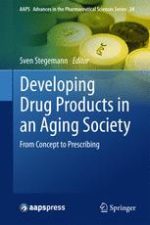
Adapting to the Silver Tsunami: Developing Drug Products in an Aging Society
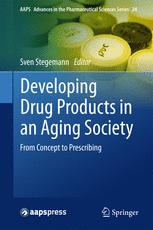
The global population is undergoing an unprecedented demographic shift. The “Silver Tsunami” is here, and the pharmaceutical industry is largely unprepared for it. For decades, drugs have been designed, tested, and formulated primarily for middle-aged adults, despite the fact that the elderly consume the vast majority of prescription medications. Developing Drug Products in an Aging Society: From Concept to Prescribing is a groundbreaking, highly urgent textbook that demands a paradigm shift in how we create medicine. For pharmaceutical executives, clinical trial designers, formulation scientists, and geriatricians, this volume provides the critical blueprint for redesigning the drug development pipeline to safely and effectively serve the geriatric population.
The Unique Pharmacological Challenges of Geriatrics
The opening chapters obliterate the dangerous assumption that a 85-year-old patient is simply an older version of a 40-year-old patient. The authors provide a rigorous masterclass in the biology of aging (senescence). They detail how the human body fundamentally changes over time, exploring the massive physiological shifts that drastically alter how drugs are processed, including decreased renal clearance, diminished hepatic blood flow, and significant changes in body composition (increased fat, decreased muscle water).
Altered Pharmacokinetics and Pharmacodynamics in the Elderly
Due to these physiological changes, standard adult dosing guidelines are often highly dangerous for the elderly. The book meticulously breaks down the altered pharmacokinetics (PK) and pharmacodynamics (PD) of the aging body. It explains why a standard dose of a lipophilic drug (like diazepam) can build up to toxic, highly sedating levels in an elderly patient’s expanded fat stores, and why their aging central nervous system is often far more sensitive to the dangerous side effects of anticholinergic and psychotropic medications, leading to catastrophic falls and severe cognitive impairment.
Polypharmacy and Adverse Drug Reactions
Elderly patients rarely have just one disease. The text tackles the complex reality of multimorbidity and the resulting epidemic of polypharmacy. It provides crucial frameworks for researchers and clinicians to predict, manage, and prevent the severe drug-drug and drug-disease interactions that occur when a patient is simultaneously taking medications for hypertension, diabetes, arthritis, and heart failure.
Formulating Drugs for Dysphagia and Cognitive Impairment
Designing a drug for an elderly patient requires far more than just altering the dose; it requires completely redesigning the physical pill. The core of this book focuses on advanced formulation science. It details the massive challenge of dysphagia (difficulty swallowing), which affects millions of older adults. The authors explore cutting-edge solutions, including orally disintegrating tablets (ODTs), easy-to-swallow mini-tablets, and highly advanced transdermal patches. Furthermore, it discusses designing packaging and prescribing regimens specifically tailored for patients suffering from arthritis (who cannot open standard pill bottles) or dementia (who struggle with complex dosing schedules).
Redesigning Clinical Trials for Older Adults
The final, and perhaps most vital, chapters address the regulatory failure of modern clinical trials. The authors point out the absurdity of testing a new Alzheimer’s or heart failure drug on a population of healthy 55-year-olds, while actively excluding the frail, 80-year-old patients who will actually receive the drug. The book provides powerful, ethically sound strategies for redesigning Phase III clinical trials to safely include older, frail adults with multiple comorbidities, ensuring the resulting data is actually clinically relevant to the real world.
Frequently Asked Questions (FAQs)
Is this book only for drug developers?
While essential for the pharmaceutical industry, it is also highly valuable for practicing geriatricians and clinical pharmacists who must navigate the daily challenge of prescribing to this highly vulnerable population.
Does it cover the Beers Criteria?
Yes, it heavily references established geriatric safety guidelines, including the Beers Criteria and STOPP/START criteria, utilizing them as frameworks for safer drug development.
Are economic considerations discussed?
Absolutely. It addresses the massive pharmacoeconomic impact of the aging population, exploring how developing better, safer geriatric drugs is essential for preventing costly hospitalizations and sustaining global healthcare budgets.
Conclusion
Developing Drug Products in an Aging Society is a moral and scientific imperative. It proves that the “one-size-fits-all” approach to pharmacology is failing our most vulnerable patients. By mastering the unique physiological, formulation, and regulatory challenges detailed in this book, the pharmaceutical industry can finally design medications that respect the complexities of the aging body, ensuring that our elderly population receives therapies that are not only effective, but fundamentally safe.