

Understanding Addiction: Drug Use and Abuse: A Comprehensive Introduction
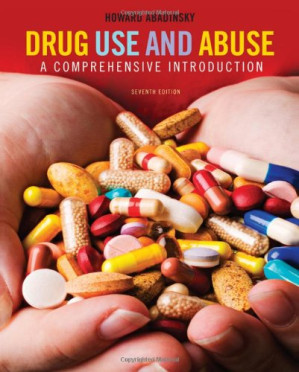
The global drug epidemic is not a simple problem of criminal behavior; it is a massively complex intersection of neurochemistry, sociology, economics, and trauma. Drug Use and Abuse: A Comprehensive Introduction is the definitive, multi-disciplinary textbook designed to completely decode the reality of addiction. For psychology students, substance abuse counselors, and criminal justice professionals, this volume provides the uncompromising, evidence-based blueprints required to understand exactly why humans destroy themselves with chemicals, and how society can effectively intervene.
The Biopsychosocial Model of Dependency
The core philosophy of this textbook destroys the outdated idea that addiction is purely a “moral failing.” The authors relentlessly utilize the Biopsychosocial Model. They detail how a genetic predisposition in the liver (biology), combined with severe childhood trauma (psychology), and deep poverty (sociology), creates an almost inescapable trap. It forces the reader to view the addict as a patient suffering from a complex, chronic disease of the brain.
The Pharmacology of Street Drugs (Opioids, Meth, Cocaine)
This is a fiercely scientific guide to illicit substances. The book does not just list street names; it details the exact receptor mechanics of intoxication. Readers will explore exactly how Methamphetamine violently forces the brain to release a massive, neurotoxic flood of dopamine, and how Heroin physically binds to the brainstem, shutting down the respiratory drive and causing a fatal overdose.
The Devastating Impact of Alcohol and Tobacco
The book tackles the massive hypocrisy of legal drugs. The authors dedicate massive sections to the two chemicals that cause more global death and economic destruction than all illegal drugs combined: Alcohol and Tobacco. The text details the horrifying pathology of alcohol withdrawal (Delirium Tremens), proving that suddenly stopping alcohol can be infinitely more lethal than withdrawing from heroin.
Treatment Modalities and Medication-Assisted Therapy (MAT)
This is a highly practical guide to saving lives. The book extensively covers modern addiction treatment. It aggressively advocates for Medication-Assisted Therapy (MAT). The authors provide detailed clinical data on the use of Methadone, Buprenorphine, and Naltrexone, proving that mathematically stabilizing the brain’s receptors with medication is vastly more effective than forcing a patient into sudden “cold turkey” abstinence.
The Societal and Legal Consequences of Prohibition
The final chapters address the reality of the “War on Drugs.” The authors provide a rigorous, data-driven analysis of drug prohibition. They detail the extreme financial cost of mass incarceration, the economics of the international cartel trade, and the controversial global shift towards the decriminalization and medicalization of drug policy.
Frequently Asked Questions (FAQs)
Is this a pharmacology textbook for medical students?
No. While it covers the basic receptor mechanics of drugs of abuse, it is primarily a sociology, psychology, and counseling textbook, focusing on the human and societal impact of the drugs.
Does it cover the modern fentanyl crisis?
Yes, modern editions provide extensive coverage of the synthetic opioid epidemic, detailing the extreme lethality of fentanyl analogues and the widespread deployment of Naloxone (Narcan).
Who is the primary audience?
It is the absolute, mandatory core textbook for undergraduate psychology, sociology, criminal justice, and specialized substance abuse counseling (CADC) programs.
Conclusion
Drug Use and Abuse proves that you cannot arrest your way out of a public health crisis. It is an indispensable guide to understanding the true nature of addiction. By mastering the neurochemistry, the psychological trauma, and the rigorous treatment protocols detailed in this volume, counselors and policymakers can begin to dismantle the epidemic, replacing punishment with evidence-based, life-saving medical intervention.