


Decoding Drug Mechanisms: General and Molecular Pharmacology
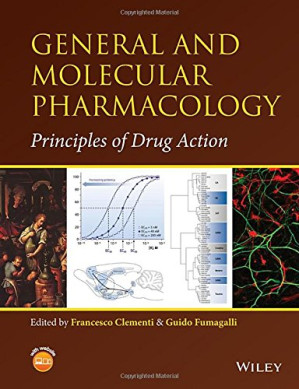
To truly understand how a medication cures a disease, one must look far beyond the visible symptoms and dive deep into the microscopic machinery of the human cell. General and Molecular Pharmacology: Principles of Drug Action is a comprehensive, advanced textbook that serves as the definitive guide to this microscopic realm. By bridging the macroscopic concepts of traditional pharmacology with the cutting-edge discoveries of molecular biology, this volume empowers researchers, pharmacologists, and medical students to understand the exact biochemical choreography that occurs when a drug enters the human body.
The Microscopic Foundations of Medicine
Traditional pharmacology often treated the human body as a “black box”—you administer a drug (input) and observe the clinical effect (output), with limited understanding of the intermediate steps. This textbook shatters that black box. The opening chapters provide a rigorous grounding in the fundamental principles of pharmacodynamics and pharmacokinetics, but immediately pivot to explain these concepts at the atomic and molecular level. Readers will explore the thermodynamic principles of drug-receptor binding, understanding exactly how the three-dimensional shape and charge distribution of a drug molecule perfectly perfectly align with its biological target.
Drug-Receptor Interactions at the Molecular Level
The core of molecular pharmacology lies in understanding receptors. This book provides an exhaustive, highly detailed analysis of the four primary receptor superfamilies:
- G Protein-Coupled Receptors (GPCRs): The target for nearly 50% of all modern drugs. The text meticulously details the conformational changes that occur upon drug binding and the subsequent activation of intracellular G-proteins.
- Ligand-Gated Ion Channels: Crucial for neuropharmacology, explaining how drugs like benzodiazepines or anesthetics alter the flow of sodium, potassium, or chloride ions across the neuronal membrane in milliseconds.
- Kinase-Linked Receptors: Exploring the complex phosphorylation cascades triggered by drugs targeting insulin receptors or the growth factor receptors intimately involved in cancer.
- Nuclear Receptors: Detailing how lipid-soluble drugs (like steroids or thyroid hormones) bypass the cell membrane entirely, binding to intracellular receptors to directly alter the transcription of DNA.
Signal Transduction Pathways and Second Messengers
Binding to a receptor is only the first step. The textbook provides a masterclass in signal transduction—the intracellular bucket brigade that carries the drug’s message from the cell membrane to the nucleus. It rigorously details the biochemical pathways involving second messengers like cyclic AMP (cAMP), Inositol triphosphate (IP3), and intracellular calcium (Ca2+). Understanding these pathways is critical, as they explain how a tiny concentration of a drug can result in a massive, amplified physiological response (like the sudden, powerful contraction of the heart muscle).
Pharmacogenomics: The Genetic Basis of Drug Response
Why does a standard dose of codeine provide excellent pain relief for one patient, but zero relief (or dangerous toxicity) for another? The answer lies in the DNA. A significant portion of this textbook is dedicated to pharmacogenomics. It explores how specific genetic polymorphisms—variations in the genes coding for metabolic enzymes (like the CYP450 system) or specific drug receptors—drastically alter an individual patient’s response to medication, paving the way for the future of personalized, precision prescribing.
Cutting-Edge Molecular Targets
The text is fiercely up-to-date, moving beyond classic receptors to explore the next generation of pharmacological targets. It includes detailed sections on drugs that target enzymes (like statins inhibiting HMG-CoA reductase), transport proteins (like SSRIs blocking the serotonin transporter), and even drugs that target the human genome directly, such as the emerging class of epigenetic therapeutics (HDAC inhibitors) and RNA interference (RNAi) technologies.
Frequently Asked Questions (FAQs)
Is this book suitable for undergraduate biology students?
While foundational concepts are reviewed, the depth of molecular biology and biochemistry makes this text primarily suited for graduate-level pharmacology students, medical students, and professional researchers.
Does it cover specific drug classes?
Yes, it utilizes specific, widely prescribed drugs (like beta-blockers, ACE inhibitors, and chemotherapeutics) as running case studies to constantly tether the molecular theory to real-world clinical applications.
Are in vitro research methodologies discussed?
The book frequently references the laboratory techniques used to discover these molecular principles, such as radioligand binding assays, patch-clamp electrophysiology, and X-ray crystallography of receptor proteins.
Conclusion
General and Molecular Pharmacology: Principles of Drug Action is a monumental achievement that captures the sheer elegance of modern medical science. It proves that every systemic clinical effect—from the lowering of blood pressure to the eradication of a tumor—is the result of precise, predictable interactions at the molecular level. By mastering the knowledge within this book, scientists and clinicians unlock the profound ability to manipulate cellular machinery, driving the development of the next generation of highly targeted, impeccably safe pharmaceutical cures.