
Nature Meets Science: Phytopharmacy: An Evidence-Based Guide
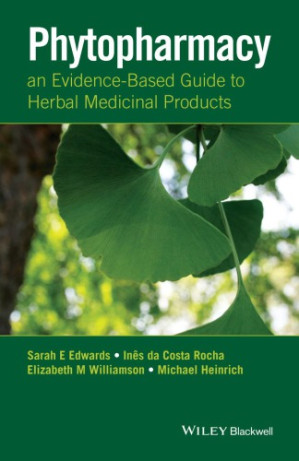
For thousands of years, humanity relied exclusively on the botanical world for healing. Today, despite the dominance of synthetic pharmaceuticals, herbal medicines remain incredibly popular, utilized by millions of patients globally for everything from mild anxiety to chronic inflammatory conditions. However, the herbal supplement market is notoriously unregulated, flooded with conflicting claims and questionable purity. Phytopharmacy: An Evidence-Based Guide to Herbal Medicinal Products is the definitive textbook that brings rigorous, uncompromising scientific scrutiny to the world of botanical medicine. For pharmacists, naturopathic doctors, and clinical researchers, this book is the essential tool for separating ancient folklore from proven clinical efficacy.
The Evolution of Herbal Medicine into Clinical Science
This textbook fundamentally rejects the notion that “natural” automatically means safe or effective. It treats herbal products not as mystical remedies, but as complex pharmacological agents containing hundreds of active chemical compounds. The opening chapters provide a robust framework for understanding the unique discipline of pharmacognosy—the study of medicines derived from natural sources. It establishes the critical need for evidence-based medicine (EBM) when evaluating botanicals, emphasizing that clinical recommendations must be based on randomized controlled trials (RCTs) rather than historical anecdotes.
Active Compounds and Botanical Standardization
One of the greatest challenges in phytopharmacy is the inherent variability of plants. A leaf grown in one climate may have double the active ingredient of the same leaf grown elsewhere. The book delves deeply into the vital science of botanical extraction and standardization. Readers will learn the complex analytical chemistry techniques (such as High-Performance Liquid Chromatography – HPLC) used to identify and quantify the specific active markers in a plant extract (e.g., hypericin in St. John’s Wort or ginsenosides in Panax Ginseng). This standardization is the only way to guarantee batch-to-batch consistency and clinical reliability.
Evidence-Based Efficacy of Popular Botanicals
The core of this invaluable guide is its encyclopedic, brutally honest review of the most commonly utilized herbal medicines. It does not blindly endorse these products; rather, it synthesizes the available clinical trial data to provide clear, evidence-based verdicts on their efficacy. Clinicians will find detailed pharmacological profiles for botanicals such as:
- Ginkgo Biloba: Analyzing the conflicting data regarding its use for cognitive enhancement and dementia.
- Echinacea: Scrutinizing the immunological claims surrounding its ability to prevent or shorten the duration of the common cold.
- Valerian Root and Passionflower: Evaluating their mechanisms of action as mild sedatives and anxiolytics compared to synthetic benzodiazepines.
- Saw Palmetto: Reviewing the extensive clinical data regarding its use for Benign Prostatic Hyperplasia (BPH).
Dangerous Herbal-Drug Interactions
Perhaps the most critical section for practicing pharmacists and physicians involves safety and toxicology. A massive percentage of patients do not inform their doctors that they are taking herbal supplements, assuming they are harmless. The textbook provides exhaustive charts detailing severe, potentially lethal herb-drug interactions. It meticulously explains the pharmacokinetics behind these interactions, such as how St. John’s Wort strongly induces the CYP3A4 liver enzyme, rapidly destroying the efficacy of critical synthetic drugs like oral contraceptives, statins, and immunosuppressants.
Regulatory Standards for Phytopharmaceuticals
The legal landscape surrounding herbal products is highly confusing. The book clarifies the complex regulatory frameworks across different jurisdictions, contrasting the strict regulations of the European Medicines Agency (EMA), which recognizes “Traditional Herbal Registration,” with the more relaxed Dietary Supplement Health and Education Act (DSHEA) in the United States, which categorizes these potent pharmacological agents essentially as food. Understanding these regulations is vital for clinicians advising patients on which specific brands or formulations to purchase.
Frequently Asked Questions (FAQs)
Is this book a guide for foraging or growing medicinal plants?
No, it is a clinical and scientific textbook focused purely on the pharmacology, toxicology, and clinical application of commercially prepared herbal extracts.
Are homeopathic remedies covered in this text?
No. The book draws a strict, scientifically crucial distinction between phytopharmacy (which utilizes measurable amounts of active botanical chemicals) and homeopathy (which utilizes extreme dilutions where no active molecules remain).
Is it useful for conventional medical doctors (MDs)?
Absolutely. MDs must understand phytopharmacy because their patients are actively consuming these products. This book provides the evidence-based data required to safely advise patients on what to take and, more importantly, what to avoid.
Conclusion
Phytopharmacy: An Evidence-Based Guide to Herbal Medicinal Products is the ultimate bridge between traditional botanical wisdom and modern pharmacological rigor. It equips healthcare professionals with the critical knowledge required to navigate the booming, often deceptive world of herbal supplements. By mastering the evidence contained within this book, clinicians can ensure their patients utilize natural medicines safely, effectively, and intelligently alongside conventional medical care.