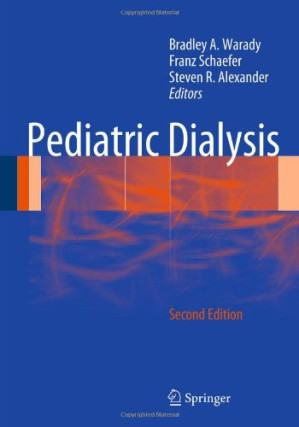


Sustaining Life: Pediatric Dialysis
End-stage renal disease (ESRD) in a child is a catastrophic diagnosis that fundamentally alters the trajectory of their development. The physiological demands of maintaining fluid balance, clearing toxins, and promoting growth in a pediatric patient are profoundly different from those in an adult. Pediatric Dialysis is the definitive, fiercely specialized textbook dedicated entirely to this complex medical challenge. This volume provides the exact, rigorous protocols required by pediatric nephrologists to manage renal replacement therapy, acting as the critical bridge to life-saving kidney transplantation.
Mastering Renal Replacement Therapy in Children
The core philosophy of this text is physiological precision. The authors aggressively detail the physics and biology of both hemodialysis (HD) and peritoneal dialysis (PD) as they apply to the small, rapidly changing pediatric body. They dictate exactly how to prescribe dialysis—calculating precise clearance targets (Kt/V), ultrafiltration rates, and dialysate compositions to prevent fatal dysequilibrium syndrome and ensure optimal toxin removal.
Navigating Hemodialysis and Peritoneal Dialysis Modalities
The book provides a masterclass in modality selection. It dictates the specific clinical scenarios favoring PD (e.g., infants, preservation of vascular access) versus HD (e.g., rapid clearance in acute settings). It provides exhaustive, step-by-step guidance on managing the unique complications of each modality, from recurrent peritonitis in PD to intradialytic hypotension in HD.
Managing Vascular Access and Fluid Overload
This is a fiercely practical guide to the mechanical challenges of pediatric dialysis. The authors provide rigid protocols for establishing and maintaining viable vascular access in tiny vessels, dictating the indications for central venous catheters versus arteriovenous fistulas. The text outlines aggressive strategies for managing chronic volume overload, the primary driver of cardiovascular mortality in pediatric ESRD.
Integrating Nutritional Support and Growth Optimization
The final value of this reference is its focus on holistic pediatric development. The text dictates that survival is not enough; children must grow. It ensures that clinicians understand the aggressive nutritional supplementation required—often via gastrostomy tube—to combat the severe anorexia associated with uremia, while strictly managing calcium-phosphorus balance to prevent devastating renal osteodystrophy.
Frequently Asked Questions (FAQs)
Does this textbook cover acute kidney injury (AKI)?
Yes, it features critical sections on utilizing continuous renal replacement therapy (CRRT) in the pediatric intensive care unit (PICU) for critically ill children suffering from severe AKI or sepsis.
Are there specific guidelines for preparing a child for transplantation?
Absolutely. It provides explicit protocols for managing the dialysis patient leading up to transplant, optimizing their physiological status and minimizing the risk of post-operative complications.
Who is the primary audience?
It is the absolute, mandatory masterwork for Pediatric Nephrologists, Dialysis Nurses, and Pediatric Dietitians.
Conclusion
Pediatric Dialysis proves that treating childhood ESRD requires an uncompromising commitment to specialized, meticulously calibrated care. It is the indispensable bedrock of pediatric renal replacement therapy. By mastering the prescription protocols, the complication management strategies, and the aggressive nutritional interventions detailed in this vital volume, clinicians can sustain the lives and maximize the potential of their most vulnerable patients.