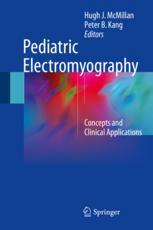



Decoding the Nerves: Pediatric Electromyography: Concepts and Clinical Applications
Diagnosing neuromuscular disorders in a child presents an extreme clinical challenge. An infant cannot follow commands, cannot describe their sensory deficits, and will not tolerate prolonged, painful testing. Pediatric Electromyography: Concepts and Clinical Applications is the definitive, fiercely specialized manual dedicated to executing and interpreting EMGs in the pediatric population. For pediatric neurologists, physiatrists, and neurophysiologists, this volume provides the uncompromising blueprints required to extract precise diagnostic data from the smallest, most challenging patients.
Adapting EMG Techniques for the Pediatric Patient
The core philosophy of this text is that a pediatric EMG is not simply an adult EMG performed on a smaller scale. The authors aggressively deconstruct the technical modifications required. They detail exactly how to manage the child’s anxiety, when to utilize conscious sedation, and the precise needle techniques required to rapidly obtain motor unit action potentials (MUAPs) before the child loses cooperation.
Diagnosing Floppy Infant Syndrome and Spinal Muscular Atrophy (SMA)
The book provides a masterclass in the diagnostic evaluation of the hypotonic neonate. It dictates the exact, rigid neurophysiological protocols required to differentiate central hypotonia from a true peripheral neuromuscular defect. It details precisely how to identify the devastating denervation patterns characteristic of Spinal Muscular Atrophy (SMA), providing the rapid diagnosis necessary in the era of gene therapy.
Differentiating Neuropathies, Myopathies, and Neuromuscular Junction Disorders
This is a fiercely practical guide to complex pattern recognition. The authors provide exhaustive details on deciphering complex EMG waveforms. The text dictates the exact criteria for differentiating the primary demyelinating pathology of Charcot-Marie-Tooth (CMT) disease from the rapid muscle fiber destruction seen in Duchenne Muscular Dystrophy (DMD) or the decremental response characteristic of pediatric Myasthenia Gravis.
Precise Interpretation of Pediatric Nerve Conduction Studies
The final value of this reference is its absolute reliance on age-specific normative data. Nerve conduction velocities double from birth to age three as myelination completes. The text provides the exact, rigid normative tables required to accurately interpret nerve conduction studies (NCS) in infants and toddlers, ensuring clinicians do not misdiagnose normal developmental myelination as a pathological neuropathy.
Frequently Asked Questions (FAQs)
Does this book cover obstetrical brachial plexus palsies (Erb’s Palsy)?
Yes, it features critical sections on utilizing EMG to precisely map the extent of nerve root avulsion vs. rupture in neonatal brachial plexus injuries, which directly dictates the timing of neurosurgical intervention.
Are specific case studies provided?
Absolutely. The text is built on complex clinical vignettes, guiding the reader from the initial clinical presentation through the exact EMG/NCS strategy and final electrodiagnostic conclusion.
Who is the primary audience?
It is the absolute, undisputed, mandatory operative manual for Pediatric Neurologists, Clinical Neurophysiologists, Physiatrists (PM&R), and specialized EMG Technologists.
Conclusion
Pediatric Electromyography: Concepts and Clinical Applications proves that diagnosing childhood neuromuscular disease requires immense technical skill and a profound understanding of developmental neurophysiology. It is the indispensable bedrock of the pediatric EMG laboratory. By mastering the adapted techniques, the waveform interpretations, and the age-specific normative data detailed in this volume, specialists ensure they can definitively diagnose even the most complex neuromuscular pathologies.