

The Physeal Challenge: Pediatric Fractures and Dislocations
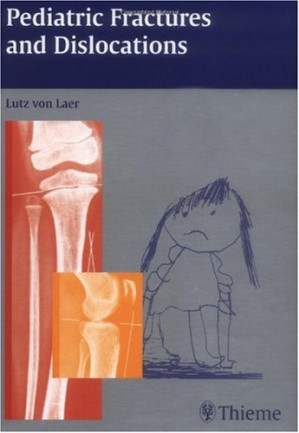
A child’s skeleton is a highly dynamic structure, defined by active growth plates (physes) and a thick, highly osteogenic periosteum. A pediatric fracture behaves completely differently than an adult fracture; it can heal with massive callus in weeks, but if a fracture crosses a growth plate and is improperly pinned, the bone will stop growing, resulting in severe angular deformity. Pediatric Fractures and Dislocations is the definitive, fiercely pragmatic trauma manual for managing the injured child. This volume provides the exact blueprints required to confidently reduce, cast, and pin pediatric bone.
Mastering the Pediatric Reduction
The core philosophy of this text is knowing when to accept deformity. The authors aggressively detail the concept of remodeling. It dictates exactly how much angulation is acceptable in a 5-year-old’s distal radius fracture (knowing it will straighten itself out as the child grows) versus a 14-year-old, where identical angulation requires surgical correction.
Navigating High-Risk Injuries
The book provides a masterclass in pediatric trauma pitfalls. It dictates the exact surgical pathways for managing the terrifying supracondylar humerus fracture, detailing the precise pin placement required to avoid the ulnar nerve while achieving absolute mechanical stability. It rigorously covers the diagnosis and urgent surgical pinning of Slipped Capital Femoral Epiphysis (SCFE) to prevent avascular necrosis of the hip.
Frequently Asked Questions (FAQs)
Is this a comprehensive textbook of all pediatric orthopedics?
No, it is strictly a *trauma* manual. It does not cover scoliosis or clubfoot; it covers what to do when a child falls out of a tree and breaks their arm.
Who is the primary audience?
It is the absolute, mandatory trauma guide for Orthopedic Residents on call, Emergency Room Physicians, and Pediatric Orthopedic Surgeons.


