
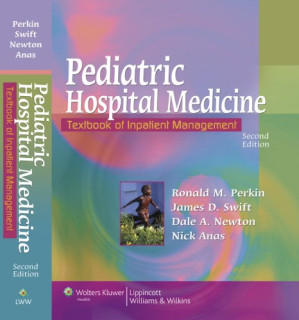

Commanding the Ward: Pediatric Hospital Medicine: Textbook of Inpatient Management
The role of the pediatric hospitalist has evolved from a simple ward manager to the ultimate diagnostician and coordinator of complex, multidisciplinary inpatient care. When a child’s illness requires hospitalization, the hospitalist must orchestrate a massive array of specialists, nursing staff, and technological interventions. Pediatric Hospital Medicine: Textbook of Inpatient Management is the definitive, fiercely comprehensive masterwork dedicated to this rapidly expanding specialty. For pediatric hospitalists, ward attendings, and pediatric residents, this volume provides the uncompromising blueprints required to dominate the inpatient environment.
The Evolution of the Pediatric Hospitalist
The core philosophy of this text is that inpatient medicine requires a unique, highly specialized skill set. The authors aggressively deconstruct the traditional models of pediatric care. They detail exactly how the modern hospitalist functions as the central command hub, dictating precisely how to lead complex family-centered rounds, manage difficult ethical dilemmas on the ward, and coordinate massive, interdisciplinary medical teams.
Managing Complex Multisystem Disease on the Inpatient Floor
The book provides a masterclass in acute medical management. It dictates the exact diagnostic and therapeutic algorithms for the most challenging inpatient scenarios. It details precisely how to stabilize a child in profound diabetic ketoacidosis (DKA), execute rapid interventions for acute neurological deterioration, and manage the complex, often fragile baseline of technology-dependent children (e.g., those with tracheostomies and G-tubes) when they become acutely ill.
Navigating Transitions of Care: Admission, Discharge, and Outpatient Handoffs
This is a fiercely practical guide to the most dangerous phases of hospitalization. The authors provide exhaustive details on preventing catastrophic errors during transitions of care. The text dictates the exact, rigid protocols for executing safe, comprehensive hospital discharges. It details precisely how to ensure medication reconciliation is flawless and how to coordinate complex follow-up care with primary pediatricians and subspecialists to prevent dangerous readmissions.
Quality Improvement, Patient Safety, and Resource Utilization
The final value of this reference is its absolute focus on systemic ward excellence. The hospitalist is responsible for the health of the entire unit, not just individual patients. The text provides the exact frameworks for implementing rapid-cycle quality improvement (QI) projects, dictating how to drastically reduce hospital-acquired infections, optimize antibiotic stewardship programs, and safely manage hospital resources.
Frequently Asked Questions (FAQs)
Does this book cover the management of pediatric surgical patients?
Yes, it features massive, critical sections detailing the co-management of complex surgical patients, providing exact protocols for managing postoperative pain, fluid management, and identifying severe surgical complications on the general pediatric floor.
Are pediatric sedation and procedures addressed?
Absolutely. The text dictates rigid protocols for executing safe, effective procedural sedation outside of the OR, and provides guidelines for common inpatient procedures like lumbar punctures and central line placements.
Who is the primary audience?
It is the absolute, undisputed, mandatory clinical bible for Pediatric Hospitalists, Pediatric Ward Attendings, Pediatric Residents, and Advanced Practice Nurses.
Conclusion
Pediatric Hospital Medicine: Textbook of Inpatient Management proves that mastering the pediatric ward requires immense clinical acumen, exceptional leadership, and a relentless focus on patient safety. It is the indispensable bedrock of modern pediatric inpatient care. By mastering the acute management algorithms, the complex care coordination, and the systemic quality improvement protocols detailed in this massive volume, hospitalists ensure they are providing the absolute highest standard of care to hospitalized children.


