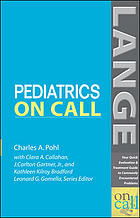
Night Float Survival: Pediatrics On Call (LANGE On Call)
The most terrifying experience for a junior resident is the first night covering the pediatric ward alone. The attending physicians are at home, the hospital is quiet, and the pager suddenly demands immediate action for a deteriorating child. There is no time to consult a heavy textbook; survival depends on rapid triage, stabilizing interventions, and knowing exactly when to call for backup. Pediatrics On Call (LANGE On Call) is the definitive, fiercely practical survival manual designed for the midnight shift. This volume provides the exact, algorithmic instructions required to manage acute ward emergencies and keep patients safe until morning.
Mastering the Midnight Pages and Ward Emergencies
The core philosophy of this text is rapid stabilization. The authors aggressively strip away theoretical pathophysiology. They dictate exactly how to respond to the most common and frightening pages: the seizing child, the hypoxic neonate, and the patient with acute mental status changes. It provides the rigid, step-by-step algorithms necessary to secure the ABCs (Airway, Breathing, Circulation) before a definitive diagnosis is even made.
Navigating Cross-Cover Issues and Acute Clinical Deterioration
The book provides a masterclass in cross-coverage triage. It dictates the exact questions the resident must ask the nurse over the phone before even seeing the patient. It provides exhaustive guidelines on how to quickly review a complex patient’s chart, identify their baseline, and determine if the current symptom (e.g., a new fever in an oncology patient) represents a life-threatening acute deterioration.
Managing “Fever Without Source” and Respiratory Distress
This is a fiercely practical guide to the bread-and-butter of pediatric on-call medicine. The authors provide rigid protocols for the pediatric fever workup, dictating exactly when a full sepsis rule-out (including lumbar puncture) is mandatory based on age and immunization status. The text dictates the rapid escalation of respiratory support, from nasal cannula to high-flow oxygen, and the immediate pharmacological management of acute asthma exacerbations.
Integrating Rapid Triage with Safe Initial Management
The final value of this reference is its focus on safe boundaries. The text dictates that the goal of the night float is not always to cure, but to stabilize. It ensures the resident knows the exact criteria that mandate transferring a patient to the Pediatric Intensive Care Unit (PICU) and provides explicit instructions on when waking the senior attending physician is absolutely necessary.
Frequently Asked Questions (FAQs)
Does this manual cover fluid and electrolyte management?
Yes, it features critical, high-yield sections on ordering midnight IV fluids, dictating how to rapidly correct severe dehydration, hypoglycemia, and dangerous electrolyte derangements like hyperkalemia.
Are there specific guidelines for pronouncing death and communicating with parents?
Absolutely. It provides explicit, compassionate, and legally sound protocols for the most difficult duties of a resident, dictating how to navigate the death of a pediatric patient during the night shift.
Who is the primary audience?
It is the absolute, mandatory pocket survival guide for Pediatric Interns, Junior Residents on night float, and Medical Students doing sub-internships.
Conclusion
Pediatrics On Call proves that competence during the night shift is built on rapid triage and strict adherence to stabilizing algorithms. It is the indispensable bedrock of ward survival. By mastering the acute management protocols, the cross-cover strategies, and the critical thresholds for escalation detailed in this vital volume, junior clinicians can navigate the darkness of the night shift with confidence and keep their patients safe.