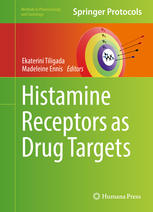


Decoding the Allergy Molecule: Histamine Receptors as Drug Targets
Most people associate histamine exclusively with sneezing and itchy eyes, treating it with a simple over-the-counter allergy pill. In reality, histamine is one of the most powerful, complex, and widespread signaling molecules in the human body, controlling everything from stomach acid to the brain’s sleep-wake cycle. Histamine Receptors as Drug Targets is the definitive, fiercely advanced scientific monograph detailing the massive pharmaceutical effort to manipulate this specific molecule. For medicinal chemists, molecular pharmacologists, and neuroscientists, this volume provides the uncompromising blueprints for designing the next generation of highly targeted antihistamines.
Beyond Benadryl: The Massive Scope of Histamine
The opening chapters of this book aggressively destroy the narrow view of histamine. The authors establish that while blocking histamine in the nose stops allergies, blocking it in the brain causes massive sedation, and blocking it in the stomach stops acid reflux (the mechanism of drugs like ranitidine). The text rigorously details the exact molecular biology of why a single chemical can have such wildly different effects throughout the human machine.
Deconstructing the H1, H2, H3, and H4 Receptors
The core of the monograph provides a masterclass in receptor differentiation. The authors exhaustively map the four distinct histamine receptors (H1-H4). Readers will explore the hyper-complex physics of how these specific G-protein coupled receptors function. The text explains that the key to modern drug design is absolute selectivity—designing a molecule that mathematically locks into the H1 receptor perfectly, without accidentally touching the H3 receptor.
The Evolution of Non-Drowsy Antihistamines
This is a fiercely practical guide to medicinal chemistry. The book tackles the famous problem of “first-generation” antihistamines (like diphenhydramine), which cross the blood-brain barrier and cause severe drowsiness. The authors detail the exact chemical engineering required to create “second-generation” drugs (like cetirizine and loratadine). They teach chemists how to add specific bulky molecules to the drug structure, physically preventing it from entering the brain while maintaining its anti-allergy power in the body.
Histamine in the Central Nervous System
The book pushes into the absolute frontier of neurology: the H3 receptor. The authors explore how histamine acts as a powerful neurotransmitter promoting wakefulness and cognition. They detail the massive pharmaceutical race to design H3 antagonists—drugs that force the brain to release more histamine—as revolutionary treatments for Narcolepsy, Alzheimer’s disease, and ADHD.
Modulating the Immune System via the H4 Receptor
The final chapters address the newest, most mysterious target: the H4 receptor. Located deep within the immune system, the authors detail how manipulating H4 could unlock entirely novel treatments for severe autoimmune diseases, asthma, and chronic inflammatory pain, moving histamine research far beyond simple allergy control.
Frequently Asked Questions (FAQs)
Is this a clinical manual for treating allergies?
No. This is a highly advanced, deeply chemical and molecular biology reference text. It is designed for the scientists inventing the drugs, not the doctors prescribing them.
Does it cover the chemistry of mast cell stabilizers?
Yes, it touches on the mechanisms of preventing histamine release (degranulation) from mast cells, but the primary focus is on the receptor targets themselves.
Who is the primary audience?
It is the absolute gold-standard reference for Ph.D. medicinal chemists, neuropharmacologists, and R&D scientists working in allergy and immunology drug discovery.
Conclusion
Histamine Receptors as Drug Targets proves that understanding a single molecule can unlock treatments for dozens of diseases. It is an indispensable guide to the absolute cutting edge of receptor pharmacology. By mastering the structural differences between the H1-H4 receptors and the advanced medicinal chemistry detailed in this volume, scientists can successfully design hyper-selective drugs that manipulate human biology with flawless precision.