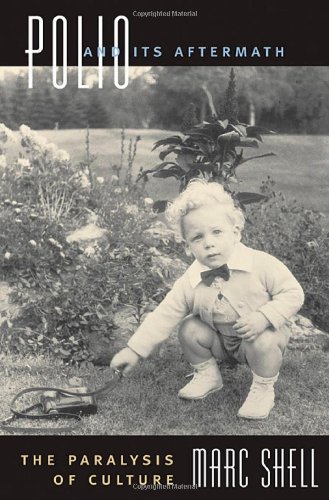


The Shadow of the Epidemic: Polio and Its Aftermath
Before the vaccine, poliomyelitis was the most feared disease in the developed world, capable of paralyzing a child overnight and transforming the social landscape through quarantine and mass panic. While the acute epidemic is a memory, its legacy continues to shape modern medicine, public health, and disability rights. Polio and Its Aftermath: The Paralysis of Culture is a profound, meticulously researched historical and sociological treatise. This volume provides the exact analytical blueprints required to understand how a single virus permanently altered the cultural and medical consciousness of the 20th century.
Mastering the Historical and Cultural Impact of Poliomyelitis
The core philosophy of this text is that disease is never just a biological event; it is a profound cultural trauma. The authors aggressively detail the terrifying summer epidemics of the mid-20th century, deconstructing how the random, unpredictable nature of paralytic polio created a unique societal hysteria. They dictate exactly how this fear fueled the unprecedented, grassroots mobilization of the March of Dimes and redefined the funding of medical research.
Navigating the Intersection of Disease, Disability, and Society
The book provides a masterclass in the social construction of disability. It dictates the exact historical shifts in how society viewed the “crippled” child, moving from institutionalization and pity to the arduous, often painful attempts at physical rehabilitation using iron lungs, heavy bracing, and prolonged hospitalization. It provides exhaustive analysis of how polio survivors became the vanguard of the modern disability rights movement.
Managing the Long-Term Reality of Post-Polio Syndrome
This is a fiercely practical guide to the long shadow of the epidemic. The authors provide rigid frameworks for understanding the medical reality of Post-Polio Syndrome (PPS)—the unexpected return of weakness, fatigue, and pain decades after the initial acute illness. The text dictates exactly how the medical establishment initially dismissed these symptoms, and how survivors had to advocate fiercely to force the medical community to recognize and treat this late-onset neurological decline.
Integrating Medical History with Lived Experience
The final value of this reference is its profound synthesis of clinical facts and human narratives. The text provides the exact, lived experiences of those who survived the acute infection, endured the grueling rehabilitation, and now face the realities of aging with a compromised nervous system, offering a crucial perspective on resilience and adaptation.
Frequently Asked Questions (FAQs)
Does this book cover the development of the vaccine?
Yes, it features critical sections analyzing the fierce scientific rivalry between Salk and Sabin, the massive field trials, and the complex logistics of mass immunization that ultimately halted the epidemics.
Is the current effort to eradicate polio globally discussed?
Absolutely. It provides an analysis of the ongoing, complex geopolitical and public health challenges involved in the “endgame” of global polio eradication.
Who is the primary audience?
It is an essential, profound text for Medical Historians, Public Health Professionals, Sociologists, Rehabilitation Specialists, and anyone interested in the cultural impact of disease.
Conclusion
Polio and Its Aftermath proves that understanding a disease requires an uncompromising examination of its cultural, psychological, and historical reverberations, not just its virology. It is the indispensable bedrock of modern medical history. By mastering the social dynamics, the history of rehabilitation, and the ongoing reality of Post-Polio Syndrome detailed in this crucial volume, professionals gain a profound understanding of how epidemics shape society.